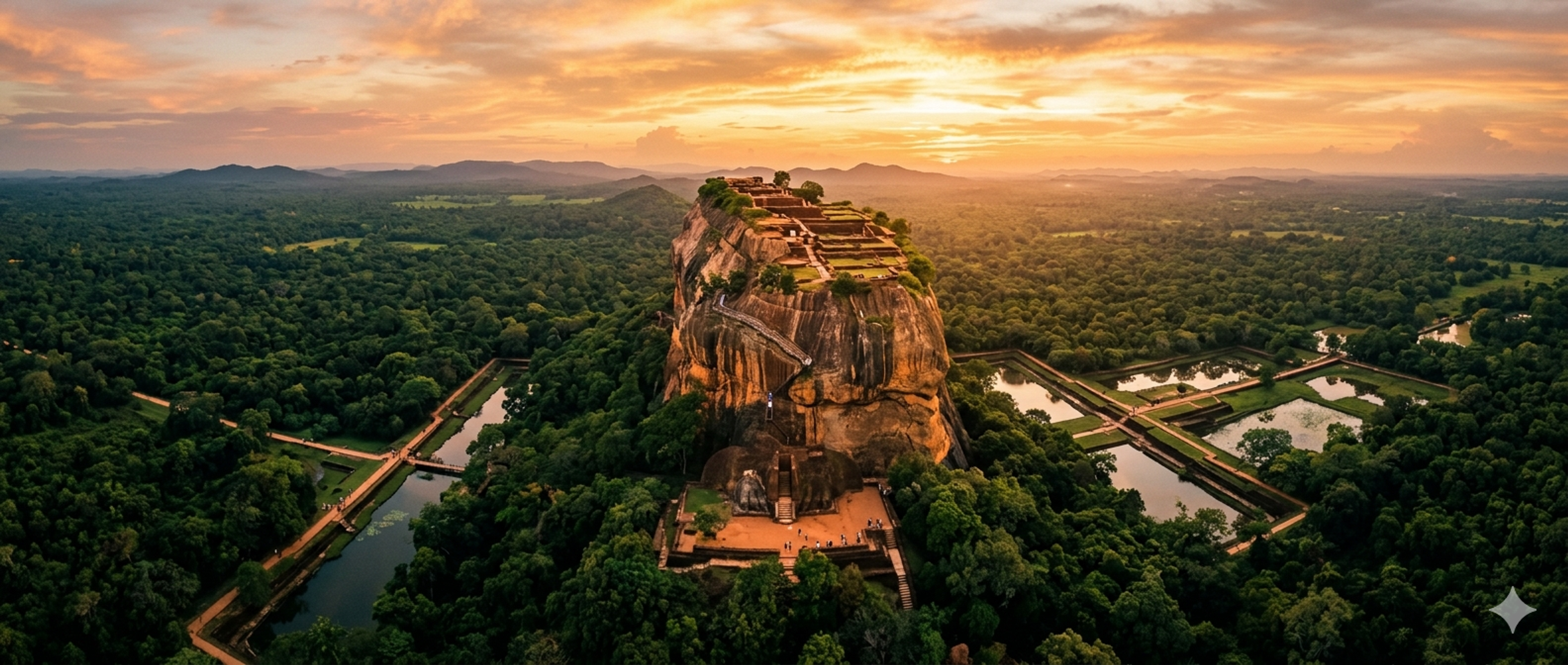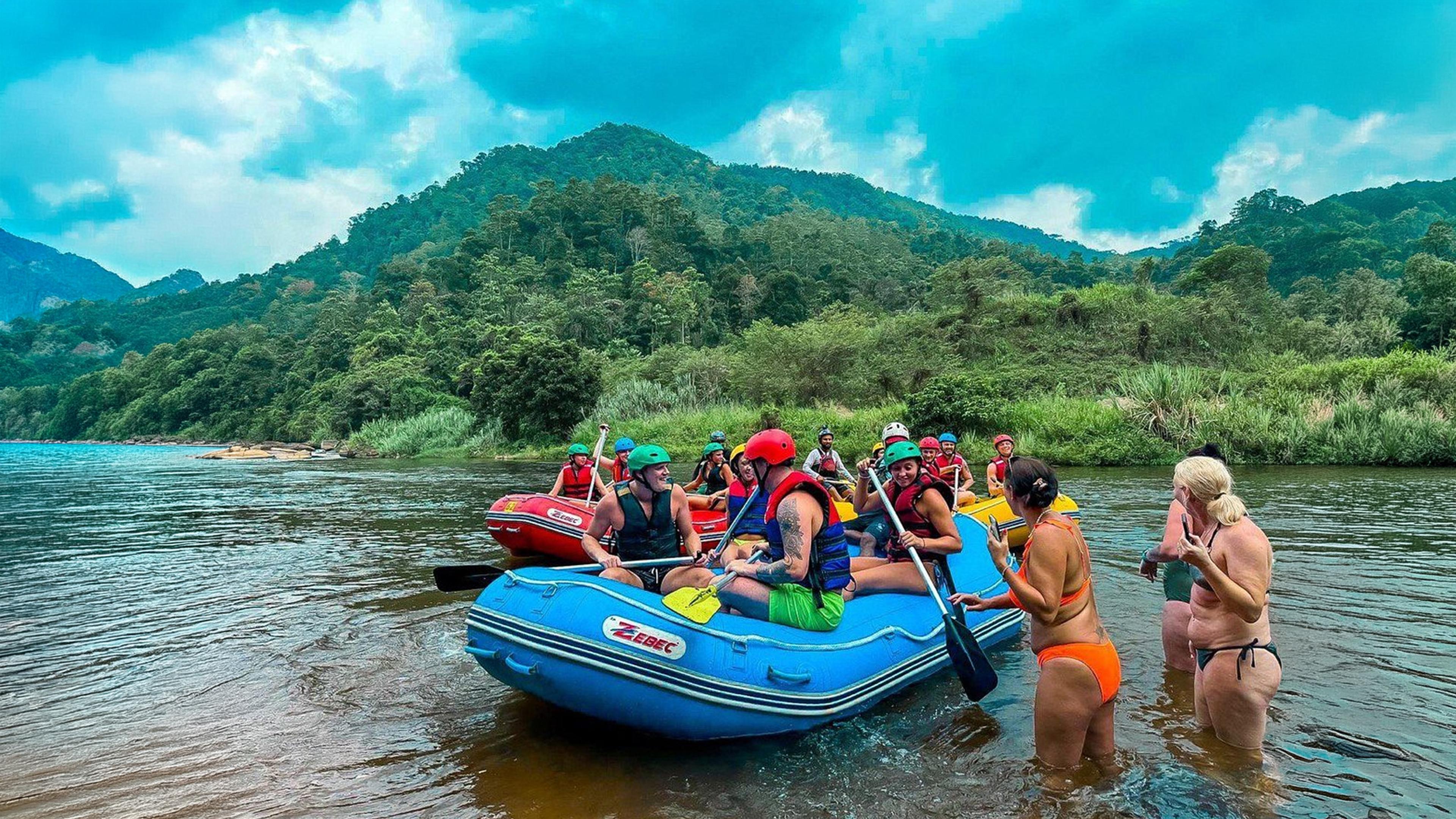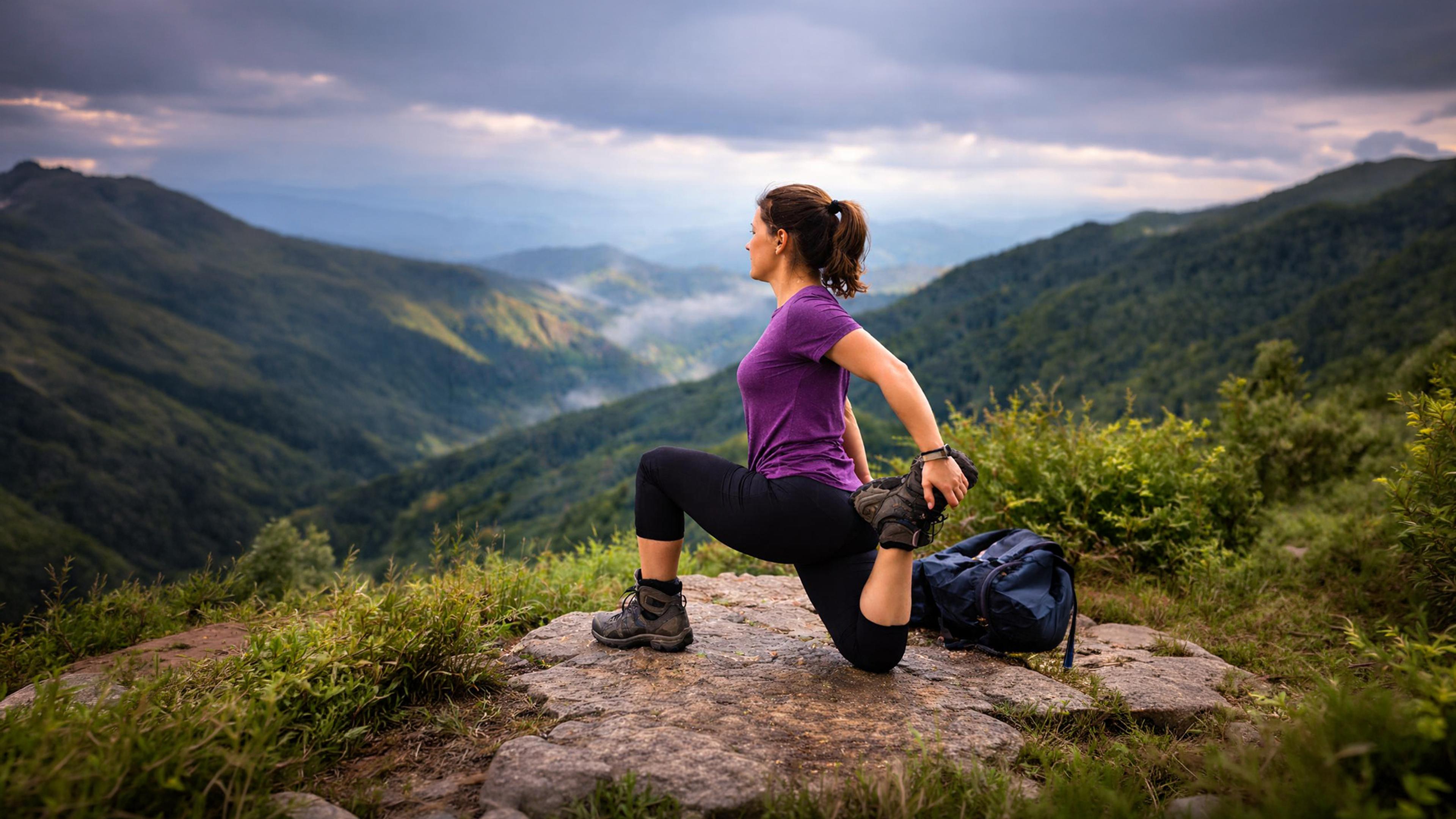
Trekking through mountains, forests, or rugged trails is exhilarating, but it comes with a cost your body and mind need care after hours of intense walking. Recovery isn’t just about stretching; it’s about giving yourself a full body reset, including muscles, joints, hydration, nutrition, sleep, skin, and mental restoration. Whether you’ve completed a challenging trek like the Knuckles Five Peaks or a long day hike closer to home, this guide covers everything you need to bounce back faster and stronger.
1. Immediate Post Hike Steps - Cooling Down and Resetting
The first step after finishing your hike is to bring your body gently back to a resting state. After hours of climbing, your muscles are tight, your heart rate is elevated, and your joints have absorbed repeated stress. Stopping abruptly can cause dizziness, blood pooling in the legs, or even cramps.
Instead, take 5–10 minutes to walk slowly, letting your body gradually adjust. Swing your arms gently and breathe deeply, noticing the air around you. This is also a perfect moment to soak in your surroundingsthe way the mountains fade into the horizon, the smell of wet soil or pine, or the distant sounds of streams. Cooling down is as much about mental decompression as it is about physical recovery.
2. Nutrition and Hydration - Fueling Your Recovery
After a long trek, your muscles are low on glycogen and need protein to repair microscopic tears from sustained exertion. Hydration alone isn’t enough; you need a balanced intake of water, electrolytes, carbs, and protein.
- Carbs + Protein: Think oatmeal with nuts, yogurt with fruit, rice with lean protein, or a smoothie with banana and protein powder.
- Electrolytes: Coconut water, bananas, or commercial electrolyte drinks replace sodium, potassium, and magnesium lost through sweat.
- Hydration: Sip water slowly over a couple of hours. Avoid chugging a large bottle all at once.
If you’re an avid hiker, keeping a recovery snack bag in your pack can make a huge difference between nuts, dried fruit, or energy bars immediately after finishing are simple and effective.
3. Muscle and Joint Recovery - Beyond Stretching
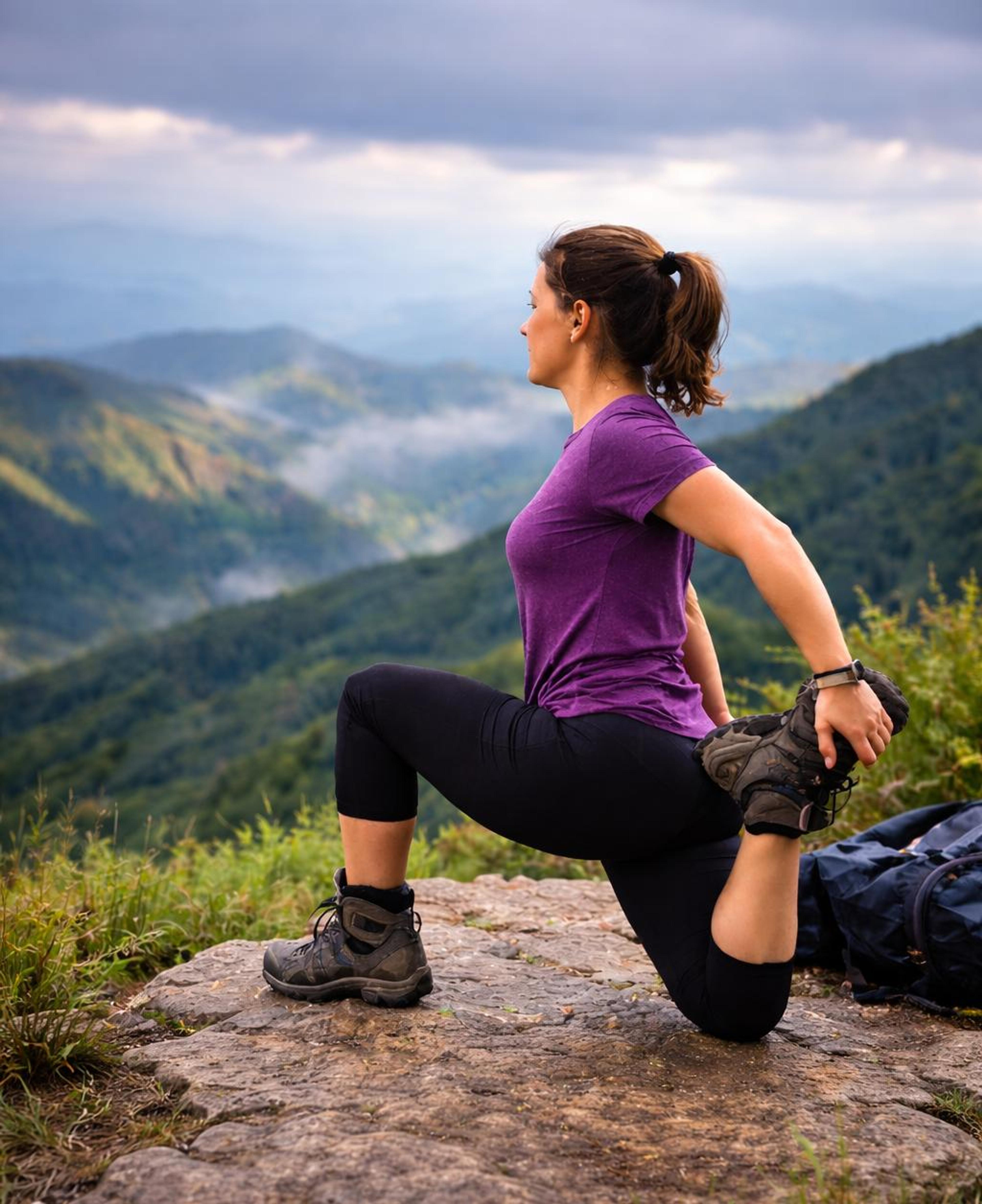
Stretching is just the start. Foam rolling, targeted massage, heat, and ice therapy can make post-trek recovery significantly faster.
- Foam rolling: Spend 1–2 minutes on quads, calves, hamstrings, and glutes to reduce stiffness.
- Ice packs: Useful for inflamed knees, ankles, or sore joints.
- Heat therapy: A warm bath, hot shower, or heating pad helps muscles relax and boosts circulation.
- Mobility exercises: Gentle ankle circles, hip openers, or controlled leg swings can reduce lingering tightness and improve balance.
For your joints, particularly knees and ankles, light movements post trek help prevent stiffness and promote long-term joint health.
4. Skin and Foot Care: Caring for the Hidden Challenges
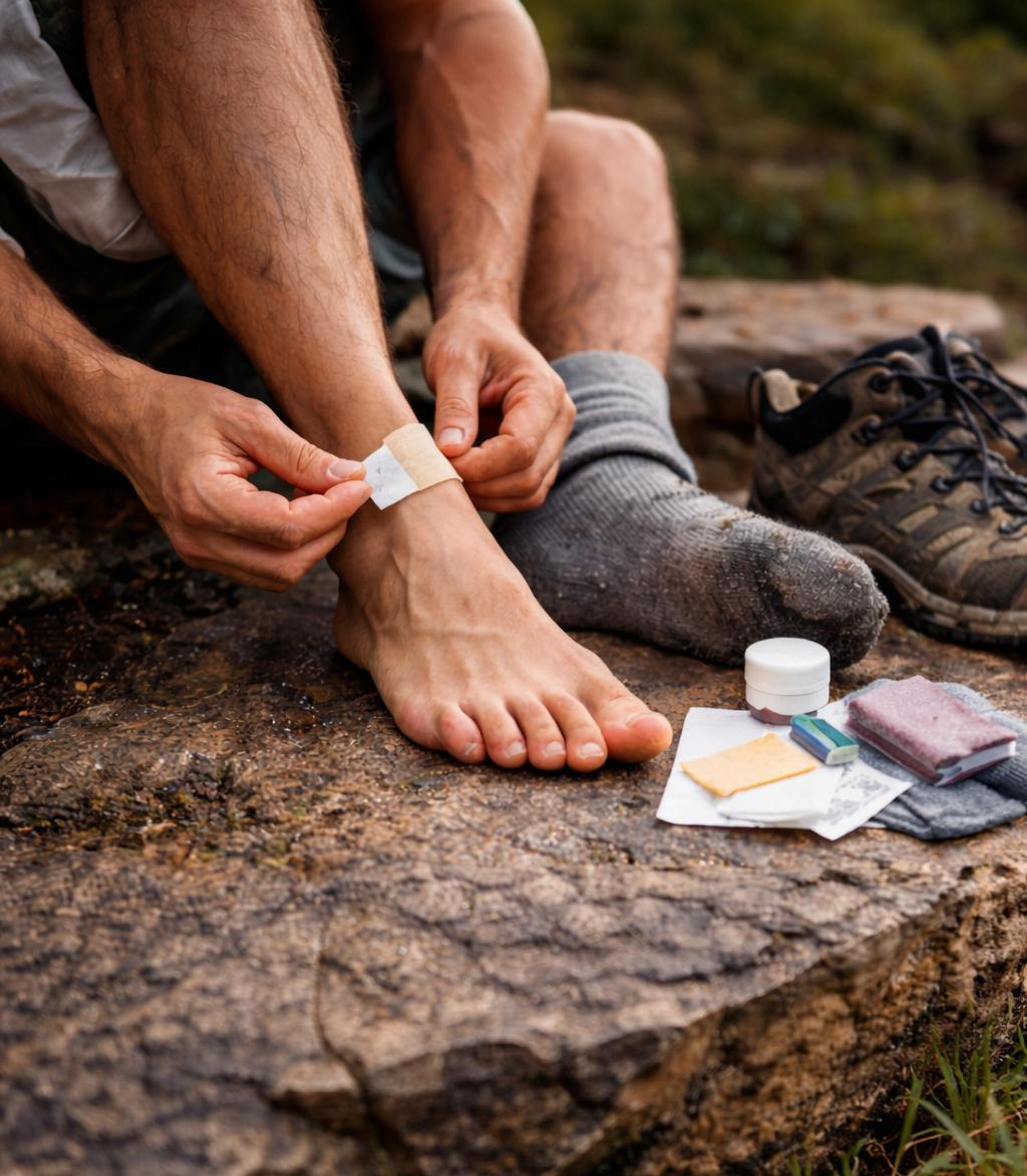
Hiking isn’t just tough on muscles your feet and skin take a beating too. Blisters, sunburn, scratches, and insect bites can all slow recovery if ignored.
- Feet: Wash thoroughly, dry completely, and use blister plasters if needed. Moisturize to prevent cracked skin.
- Skin: Remove sweat, dirt, and grime with a gentle shower. Apply moisturizer and sunscreen to prevent peeling or dryness.
- Minor cuts and scrapes: Clean and disinfect immediately to avoid infection.
Foot care is especially important because healthy feet are essential for your next trek.
5. Sleep and Relaxation - Giving Your Body Time to Heal
Sleep is when your body repairs itself. Post-trek, aim for 7–9 hours of quality sleep, ideally with your legs slightly elevated to reduce swelling. Avoid caffeine or alcohol immediately after trekking, as both can interfere with deep sleep.
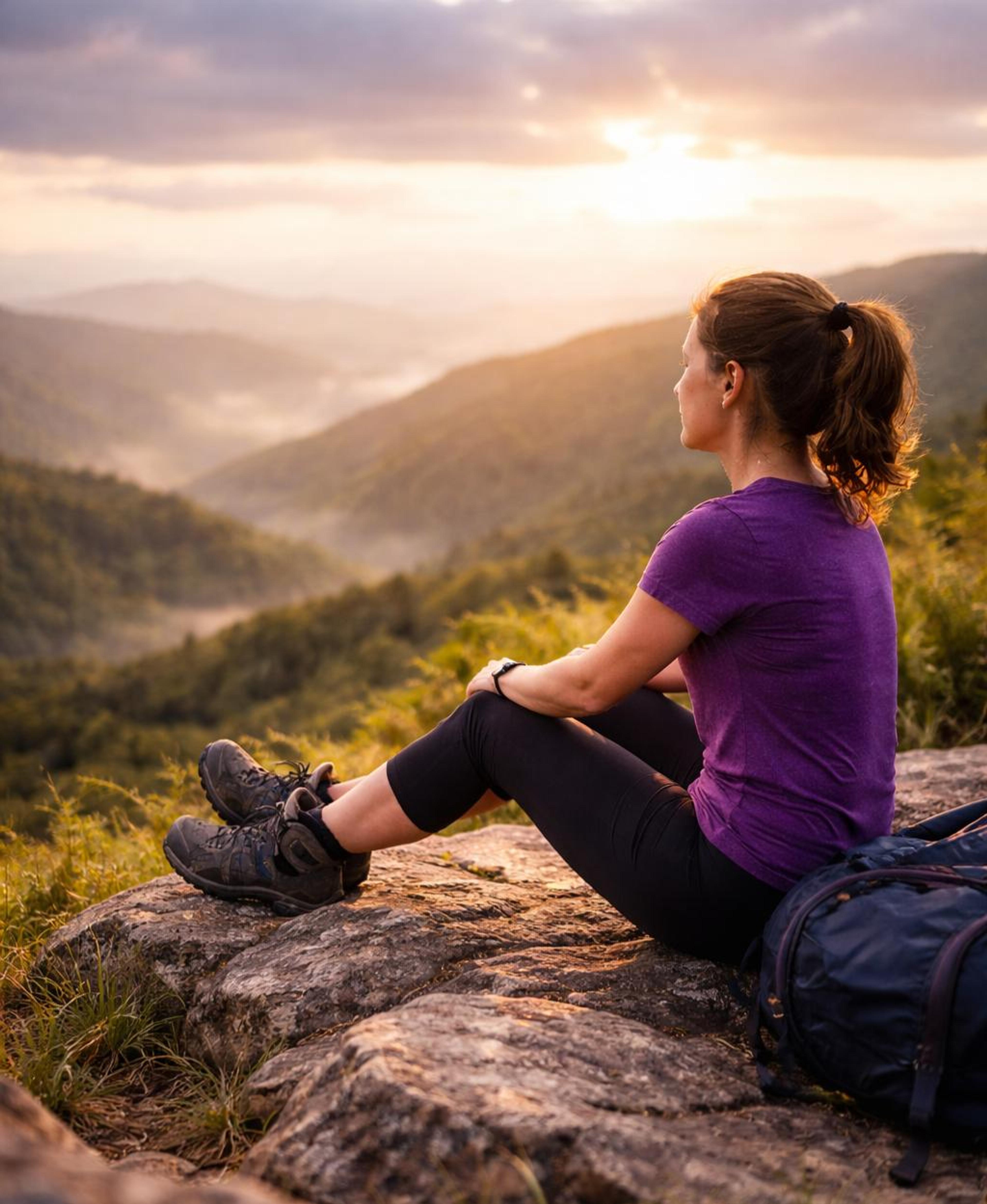
Relaxation also includes mental downtime. After a long hike, your mind has been processing navigation, balance, terrain, and scenery. Journaling, meditation, or simply sitting quietly to reflect on the hike can improve mental recovery and help solidify the sense of accomplishment.
6. Gentle Movement the Next Day
Even though your trek is over, recovery doesn’t stop when you set down your backpack. The day after a long hike, it’s tempting to lounge around doing nothing, but light movement is actually one of the best ways to speed up healing. Taking a slow, easy walk even just around your neighborhood or gardenhelps keep your muscles warm and blood flowing, which reduces stiffness and soreness. Yoga or gentle stretching sessions are also incredibly effective, focusing on your hips, hamstrings, calves, and shoulders. This kind of light activity wakes up muscles that were overworked on the trail without putting them under the strain of intense exercise.
By moving gently, you signal to your body that it’s still active, allowing circulation to carry nutrients to tired muscles and flush out lactic acid. Even 20–30 minutes of mindful movement can make a noticeable difference in how you feel by the evening, helping you avoid that heavy, sluggish post hike feeling and making your body feel lighter and more agile for the next day.
7. Preventive Tips for Future Treks
Recovery isn’t only about what you do after the trek; it also starts long before your boots hit the trail. Preparing your body for the next adventure ensures that you recover faster and minimize injuries. Strength training and cardio exercises help build endurance for longer hikes, while balance and flexibility exercises can prevent sprains and strains on uneven terrain. Choosing the right hiking gear, especially well-fitted shoes and moisture-wicking socks, protects your feet and prevents blisters or calluses that could slow your next trek. Maintaining consistent hydration and nutrition habits during the hike itself is also key a body that’s properly fueled throughout the day recovers faster afterward. And perhaps the most important tip is pacing yourself, many hikers make the mistake of pushing too hard at the start, leaving their legs exhausted long before reaching the peak. By listening to your body and taking intentional breaks, you’ll arrive at the finish line feeling strong, and your muscles won’t rebel the next day. Proper preparation and mindfulness during the hike pay dividends in recovery time afterward.
8. Common Mistakes to Avoid
Even experienced trekkers can fall into habits that slow recovery, and often the difference between a smooth recovery and days of lingering soreness is simply awareness. One common mistake is skipping the cooldown walking a few extra minutes and performing gentle stretches can save you from tight calves, aching quads, or stiff hamstrings the following day. Another pitfall is neglecting nutrition or hydration immediately after the trek; muscles starved of energy or electrolytes can feel weak and cramp prone. Overexertion the next day is also a frequent misstep; tempting as it may be to dive into a workout or another hike, your muscles and joints are still repairing microdamage from the previous day’s effort. Similarly, skimping on sleep or mental downtime prevents full-body restoration, leaving you mentally and physically fatigued. Finally, many hikers underestimate foot and skin care blisters, scrapes, and sunburn can turn a minor irritation into a week-long annoyance. Being mindful of these mistakes can dramatically improve your recovery experience and make each subsequent hike more enjoyable.
9. Mental Recovery -The Often Overlooked Step
After the physical challenge of a hike, your mind often continues to process the journey long after your body has stopped moving. The terrain, navigation decisions, interactions with fellow hikers, and the ever-changing scenery all leave impressions that your brain needs time to integrate. Taking time to reflect on your hike is not just about reliving memories & it actively aids mental recovery. Journaling about the experience, noting moments that brought joy or challenged you, and recording lessons learned can reinforce a sense of accomplishment. Sharing stories with friends, family, or fellow hikers also helps consolidate those memories and allows you to relive the adventure.
Even simple mindfulness practices, such as closing your eyes and focusing on your breathing, or sitting quietly while recalling the sights and sounds of the hike, can calm the nervous system and reduce residual stress. By prioritizing mental recovery alongside the physical, you set yourself up not only for a faster bodily recovery but also for enhanced motivation and readiness for your next adventure.
10. Bonus Tips from Experienced Trekkers
Seasoned hikers often swear by small recovery rituals that make a huge difference in how they feel post-trek. For example, compression socks can reduce swelling in the calves and ankles, making long descents or multiple-day treks far more comfortable. Keeping a compact first aid kit with blister pads, antiseptics, and bandages ensures minor injuries don’t slow you down or worsen.
Taking short breaks throughout a hike to rest, hydrate, and snacks can prevent the buildup of fatigue, meaning your recovery afterward is less painful and more manageable. Some hikers also use handheld massage tools or small foam rollers during breaks or immediately after the hike, which helps relax tight muscles and improves blood flow. These extra steps may seem minor during the adventure itself, but when combined with proper nutrition, hydration, sleep, and mindful recovery, they can transform your post-hike experience, leaving your body and mind feeling refreshed, energized, and ready to hit the trail again.
Conclusion
Trekking is a full-body adventure, and recovery is equally important. By combining cool-down walks, nutrition, hydration, stretching, foam rolling, skin and foot care, sleep, gentle activity, and mental reflection, you give your body the tools to repair and recharge. Treat recovery as part of the hiking experience & it’s what makes the next adventure enjoyable and injury free.
With this approach, your legs, joints, muscles, and mind will thank you, and you’ll be ready to take on the next mountain, trail, or forest path with energy, confidence, and excitement.