Overview
Sri Lanka Is Buzzing - Tourism Has Never Been Stronger
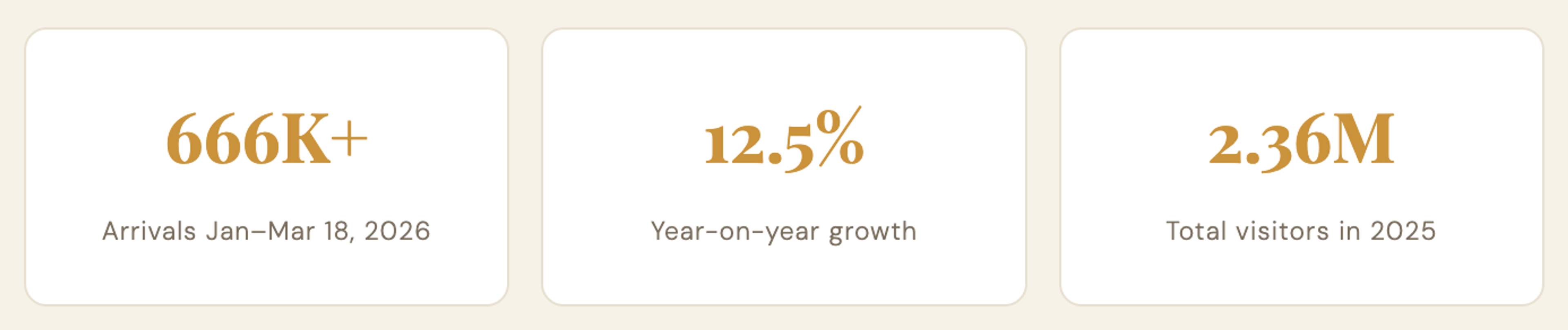
If you've been wondering whether Sri Lanka is "back" after its 2022 economic crisis, the answer is a resounding yes. The country is currently experiencing one of its strongest tourism years on record.
Over 666,000 international tourists had already arrived by mid-March 2026 alone, with visitors pouring in from India, the UK, Russia, China, Germany, and Australia. Hotels in Colombo and Kandy are running at full occupancy during peak periods, and the mood across the island is one of genuine energy and recovery.
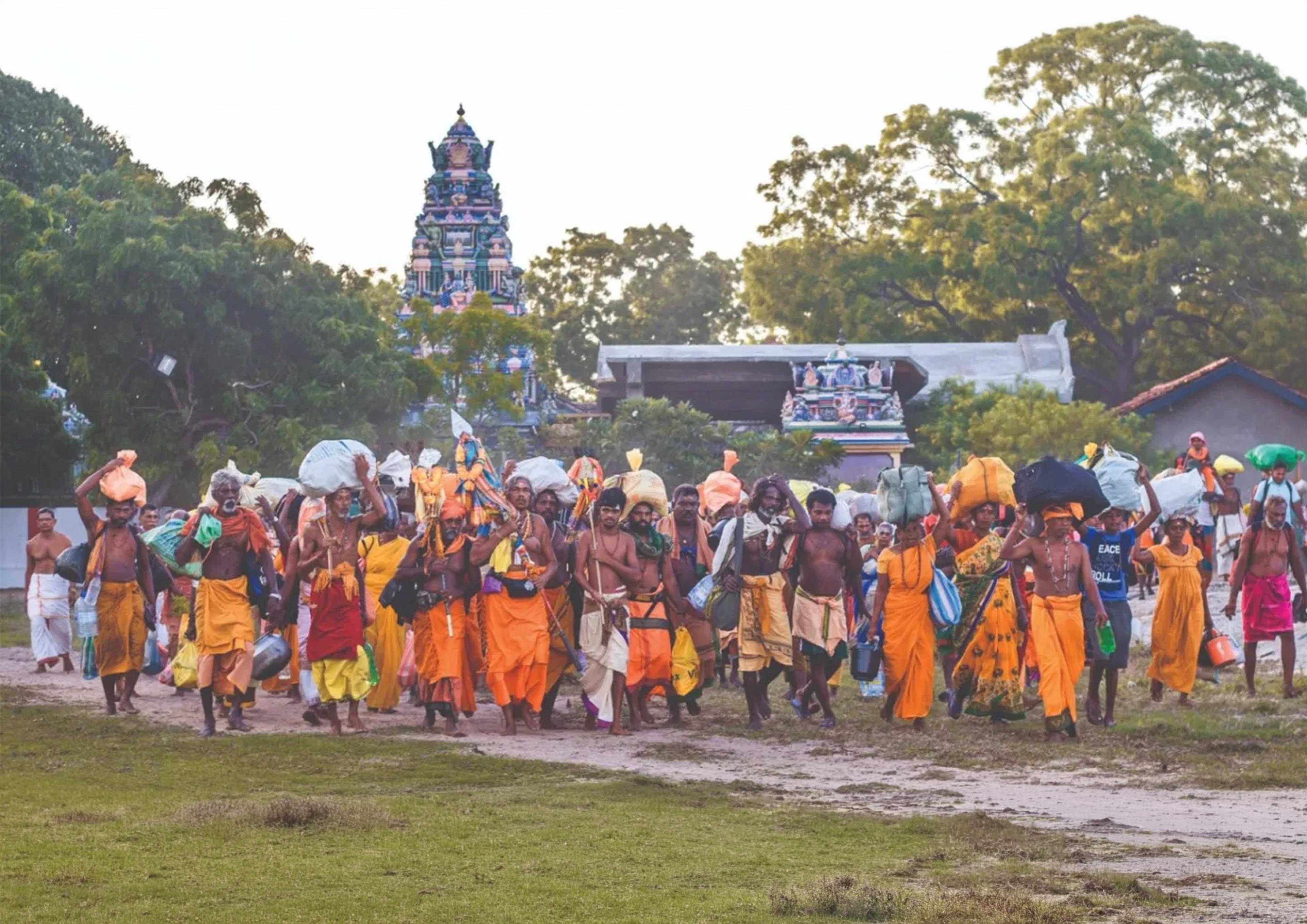
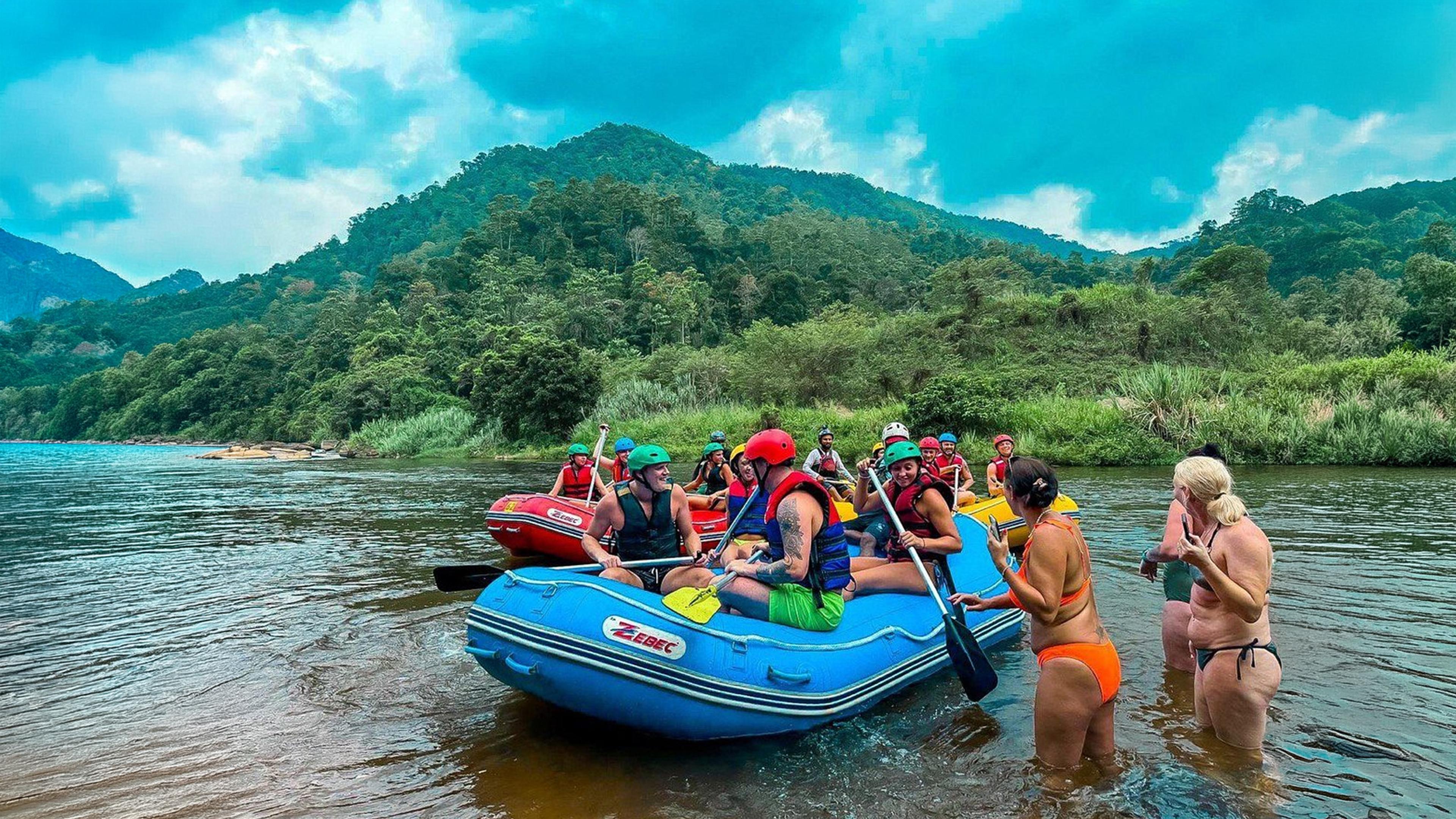
The boost has partly been driven by the ICC Men's T20 World Cup, which brought cricket fans from across the globe earlier this year. But beyond the sporting events, Sri Lanka's beaches, wildlife, temples, and hill country continue to draw travellers seeking something genuinely diverse - all within a compact island.
The Key Issue
Fuel Prices Have Surged - And You Will Feel It
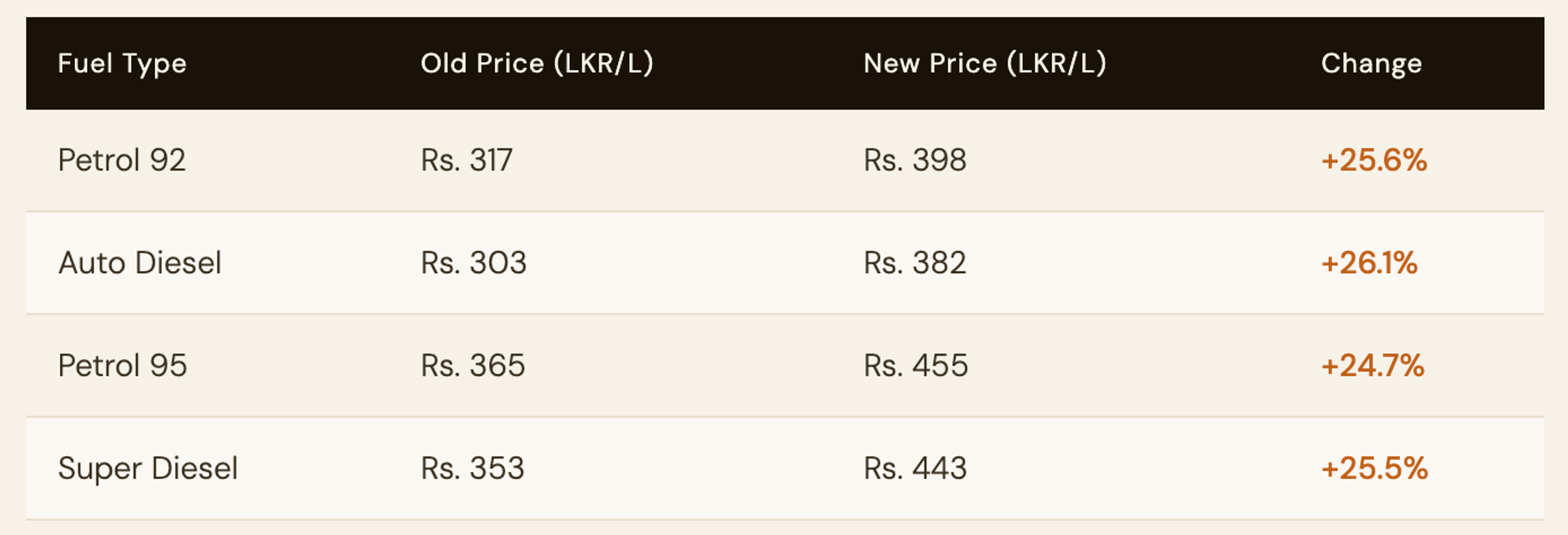
Here is the honest picture. On March 22, 2026, the Ceylon Petroleum Corporation announced significant fuel price hikes that took immediate effect. These are the largest percentage increases in Sri Lanka's recent history, and they ripple directly into the travel experience.
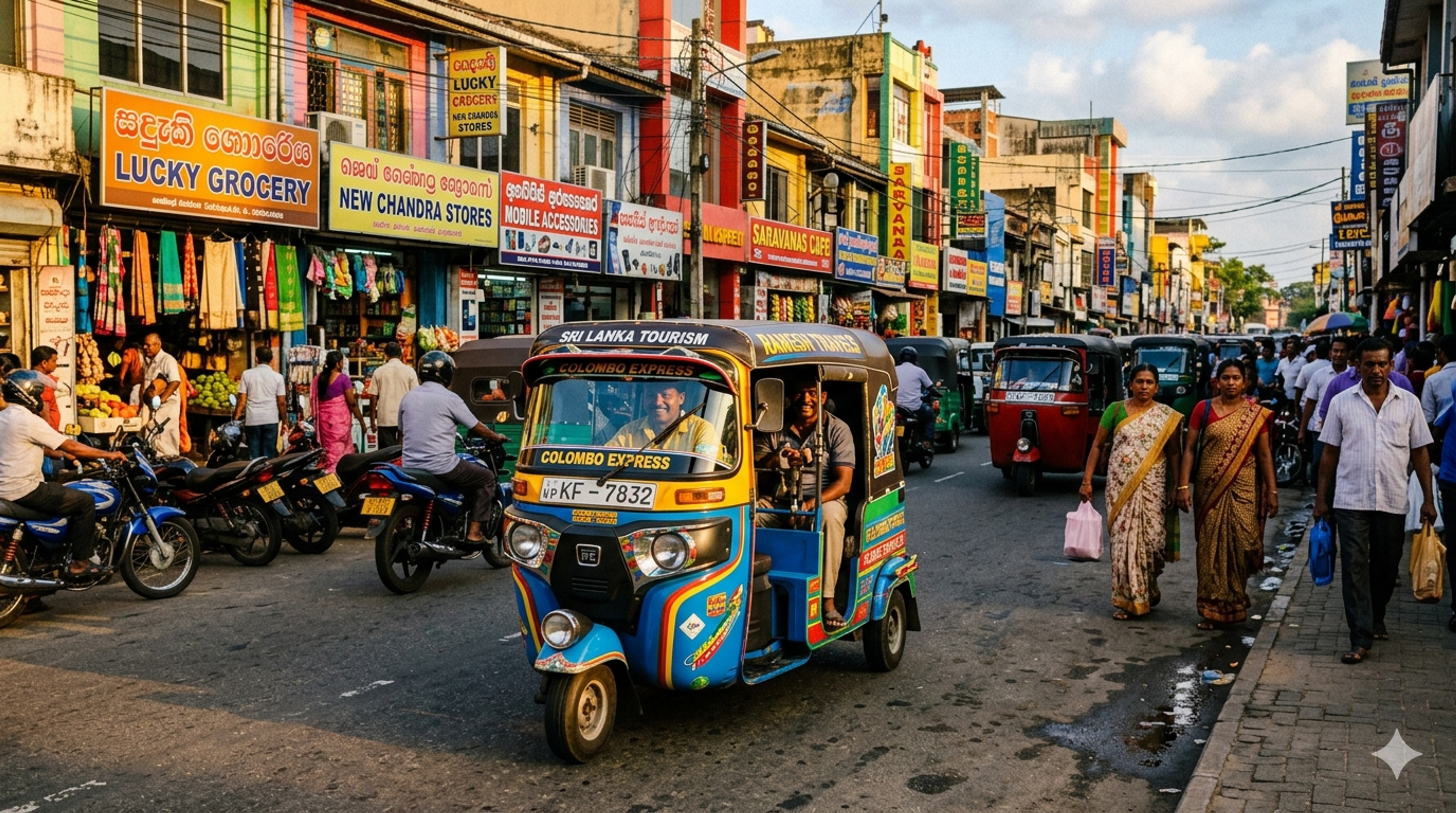
Within 24 hours, the knock-on effects were visible everywhere. Bus fares rose by 12.19%, with the minimum fare increasing from Rs. 27 to Rs. 30. Three-wheeler (tuk-tuk) rates were also revised upward. Container transport charges at the Port of Colombo jumped 20%, which means imported goods and groceries will gradually become more expensive too.
⚠ What this means for your trip
Private drivers, tuk-tuks, and tour vehicles will all cost more than quoted prices you may have seen online even a few weeks ago. Always confirm the current rate at the time of travel. Budget an extra 15–25% on top of any old transport estimates you have.
The price hike is tied to rising global oil prices linked to the ongoing West Asia conflict. Sri Lanka imports nearly all of its fuel, making it highly sensitive to international oil market swings. This is an external pressure, not a sign of the country slipping back into crisis.
Getting Around
Transport: What to Expect and How to Budget
Despite the fare increases, getting around Sri Lanka remains manageable — especially if you know what options are available.
Your Transport Options in 2026
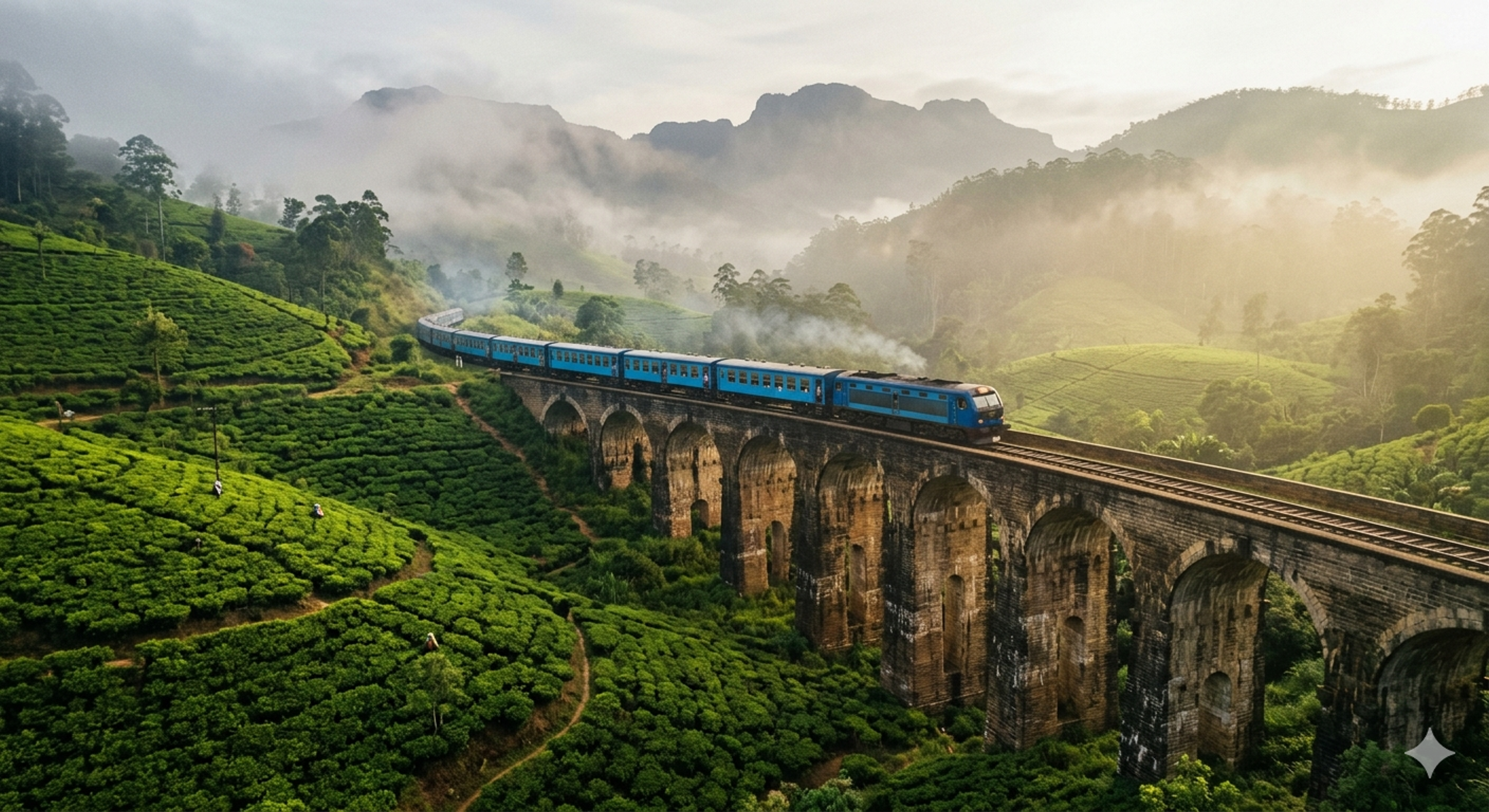
- Trains — Warning that the Kandy–Ella main line is suspended; only a partial Ambewela–Badulla section runs; coastal/southern line is fine; road travel is the alternative for hill country.
- Private driver/car — Expect to pay USD $50–80 per day (up from the previous $40–70 range). This is still good value for multi-stop touring with a local guide who knows the roads.
- Tuk-tuks — Use the PickMe app (Sri Lanka's ride-hailing service) in cities to get fair, metered rates. In tourist hotspots, drivers often avoid the app — negotiate firmly or insist on the meter.
- Public buses — Budget-friendly despite the fare hike. Fine for major routes between towns, though less comfortable for long journeys with luggage.
- Rental vehicles — Fuel is now more expensive but still affordable by international standards. Self-driving is possible, but note that Sri Lankan roads require confidence and experience.
The good news: official tourism authorities have confirmed that tourists will face no fuel shortage or access issues. Fuel is prioritised and available for tourism-related transport. The crisis is one of pricing and adjustment, not supply.
Costs & Budget
How Much Will Your Trip Actually Cost?
Sri Lanka still offers genuinely good value compared to Europe, Australia, or Southeast Asian hubs like Singapore. Here's a realistic breakdown for 2026, accounting for current price levels:
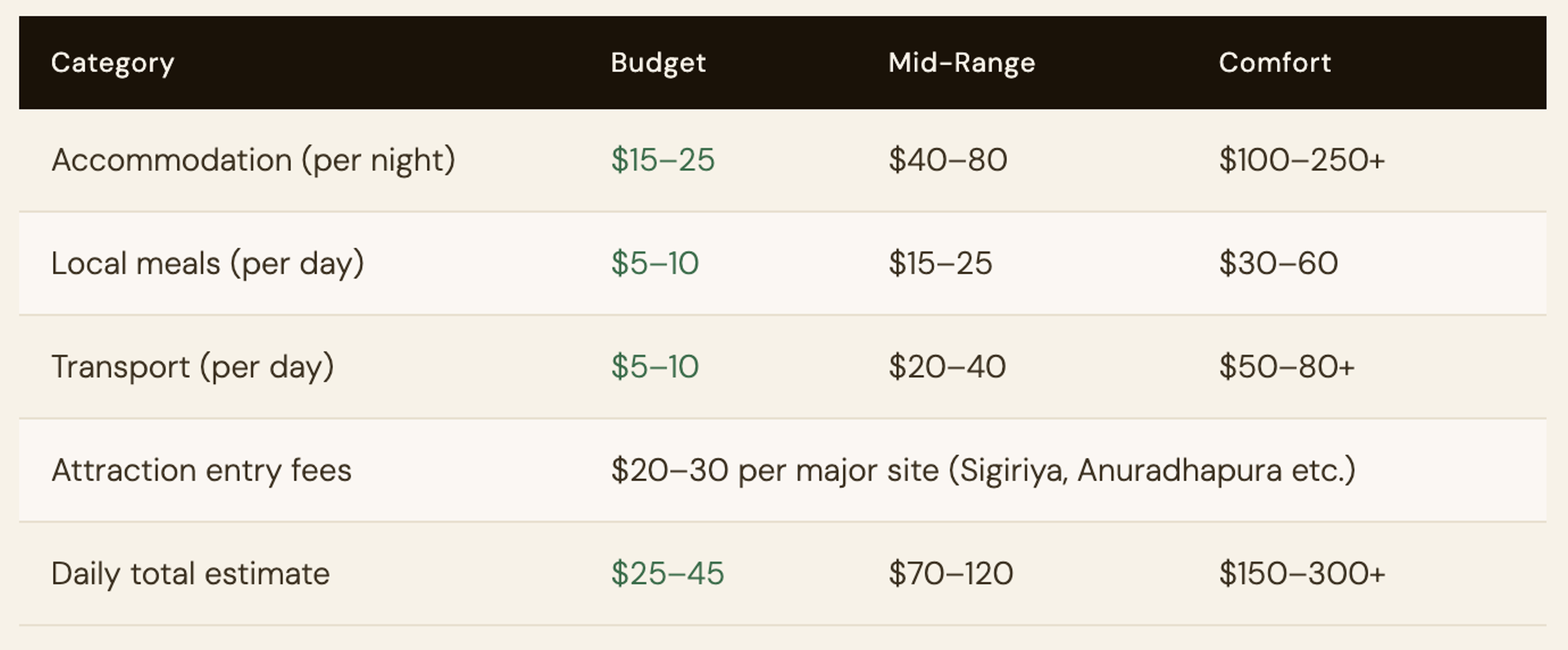
One expense that surprises many visitors: entrance fees to heritage sites are priced in USD and can be steep. Sigiriya costs around $30, Polonnaruwa around $25. If you plan to visit multiple cultural sites in the Cultural Triangle, budget $80–100 just for entry fees across two days.
Food remains a strong highlight. A generous rice-and-curry meal at a local restaurant will cost under $3. Fresh coconuts, roti, and kottu are all cheap and delicious. The price difference between eating locally versus eating at tourist-facing restaurants is very significant — often 3 to 5 times higher for the same quality.
Practical Tips
Smart Tips for Visiting Right Now
Before You Go
- Apply for your visa online before arrival — it costs $50 USD and is faster than the $60 on-arrival option.
- Book accommodation well in advance, especially for March–April peak season. Colombo and Kandy hotels fill up fast.
- Sri Lanka launched a Digital Nomad Visa in February 2026 — a good option if you plan to stay longer and work remotely.
- Download the PickMe app before you arrive — it's the most reliable way to get fair tuk-tuk and taxi prices in cities.
While You're Here
- Always confirm transport prices upfront — rates have changed recently and not all drivers display new rates clearly.
- Eat where locals eat. One street away from a tourist area, prices drop dramatically and food quality is often better.
- Ask your hotel to arrange transport directly — they can negotiate rates and often have trusted driver contacts.
- Carry some cash (LKR) for local markets, rural areas, and small guesthouses. ATMs are widely available in towns and cities.
- Use road transport for hill country until train is restored.
Safety & Stability
Is It Safe to Visit? Honestly, Yes.
The fuel price increase and the transport strike of March 22–23 may have grabbed headlines, but they were resolved quickly. The government approved a fare revision within 24 hours, and buses returned to roads. The situation is one of economic adjustment, not instability.
Sri Lanka's political environment has stabilised considerably under the current NPP government, and international confidence in the country as a travel destination is at a multi-year high. Tourism arrivals are growing, hotels are investing, and the island's welcome is as warm as ever.
That said, it's always smart to stay aware: food prices may edge higher over the coming weeks as fuel costs work through supply chains. If you're travelling on a tight budget, account for this small buffer.
The Bottom Line for Your Trip
Sri Lanka is thriving as a destination in 2026 — tourist arrivals are at record levels, infrastructure is improving, and the island's natural beauty and warmth haven't changed at all. Yes, fuel prices have jumped and transport costs are higher. Plan for that, budget a little extra, use smart transport choices, and you'll find Sri Lanka is still one of the most rewarding and affordable island destinations in the world. The pearl of the Indian Ocean is very much open for you.