Tank kayaking is one of Sri Lanka's best-kept adventure secrets. And at Rapid Adventures, we've taken it to two of the most compelling locations on the island: Kantale Tank in the Trincomalee District, and Kala Wewa near Kekirawa in Anuradhapura. Here's why these aren't just kayaking trips - they're journeys through the story of Sri Lanka itself.
Sri Lanka's Ancient Hydraulic Civilisation - A Quick Background
Before you dip your paddle in, it helps to understand what you're floating on.
Sri Lanka's ancient kings were among the most sophisticated water engineers the ancient world ever produced. Between roughly 300 BCE and 1300 CE, they constructed an estimated 30,000 tanks (wewa) across the dry zone - an interconnected cascade of reservoirs, canals, and sluice gates that turned an arid landscape into one of Asia's most productive agricultural regions. The UN Food and Agriculture Organisation recognised this system as a Globally Important Agricultural Heritage Site in 2017.
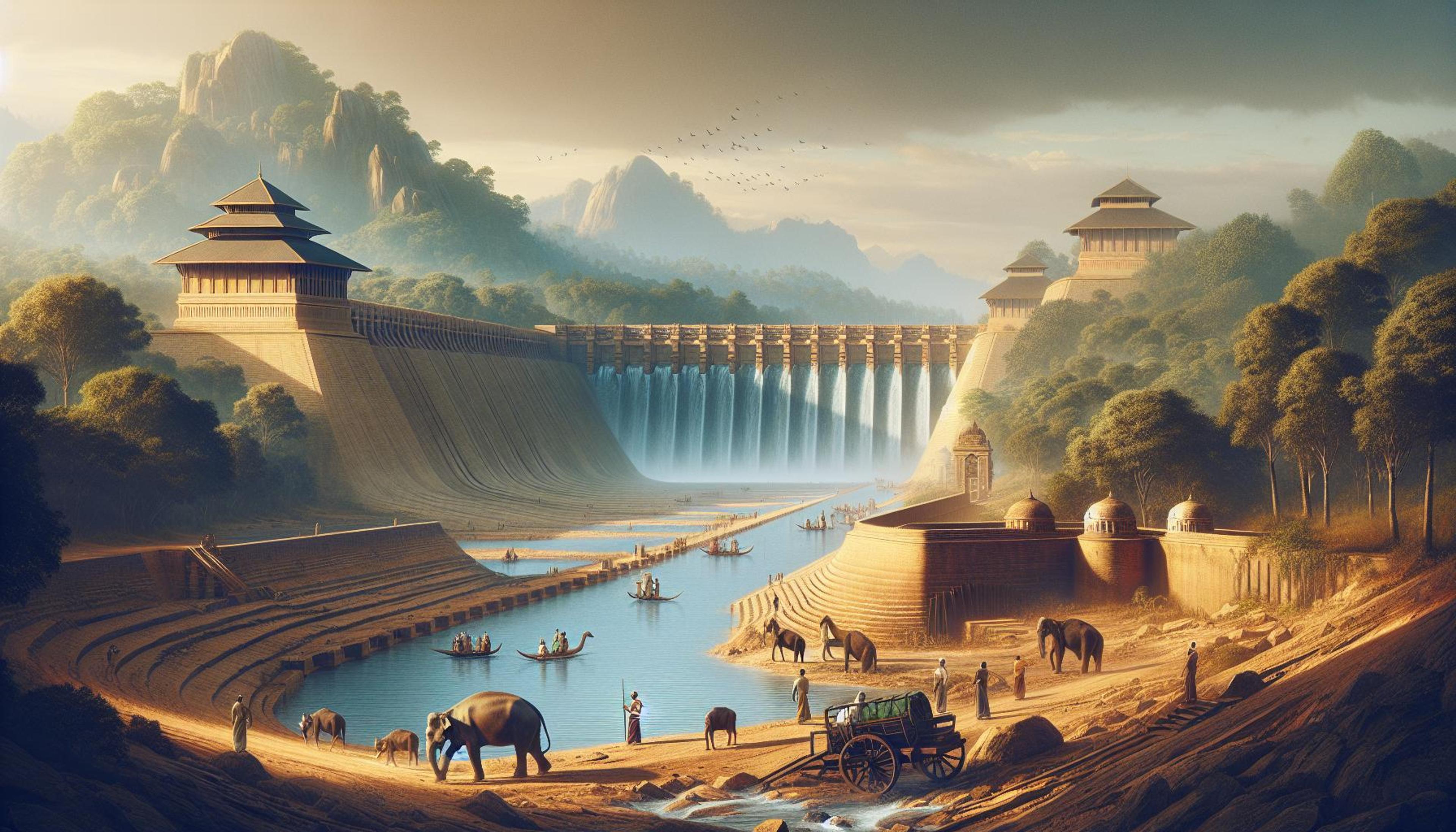
The tanks weren't just functional. They were expressions of royal power, religious devotion, and an intimate understanding of landscape. To kayak them today is to paddle through the remains of that world - mostly intact, largely unhurried, and still quietly extraordinary.
Kantale Tank, Trincomalee District
The History
Kantale Tank - also known historically as Gangathala Vapi - was built by King Aggabodhi II around 604–614 AD and later expanded by the great King Parakramabahu I in the 12th century. At 3,750 hectares, it draws water from the Mahaweli River, Sri Lanka's longest, and has fed paddy and sugarcane plantations in Trincomalee for well over a millennium. In the 12th century, King Nissankamalla went a step further - he declared the tank a sanctuary for animals, making it one of Sri Lanka's earliest protected environments.
Today, Kantale is 38 km southwest of Trincomalee town and sits quietly off the main Dambulla-Trinco highway. Most travellers drive past. A few stop for the view. Almost none get on the water.
The Kayaking Experience
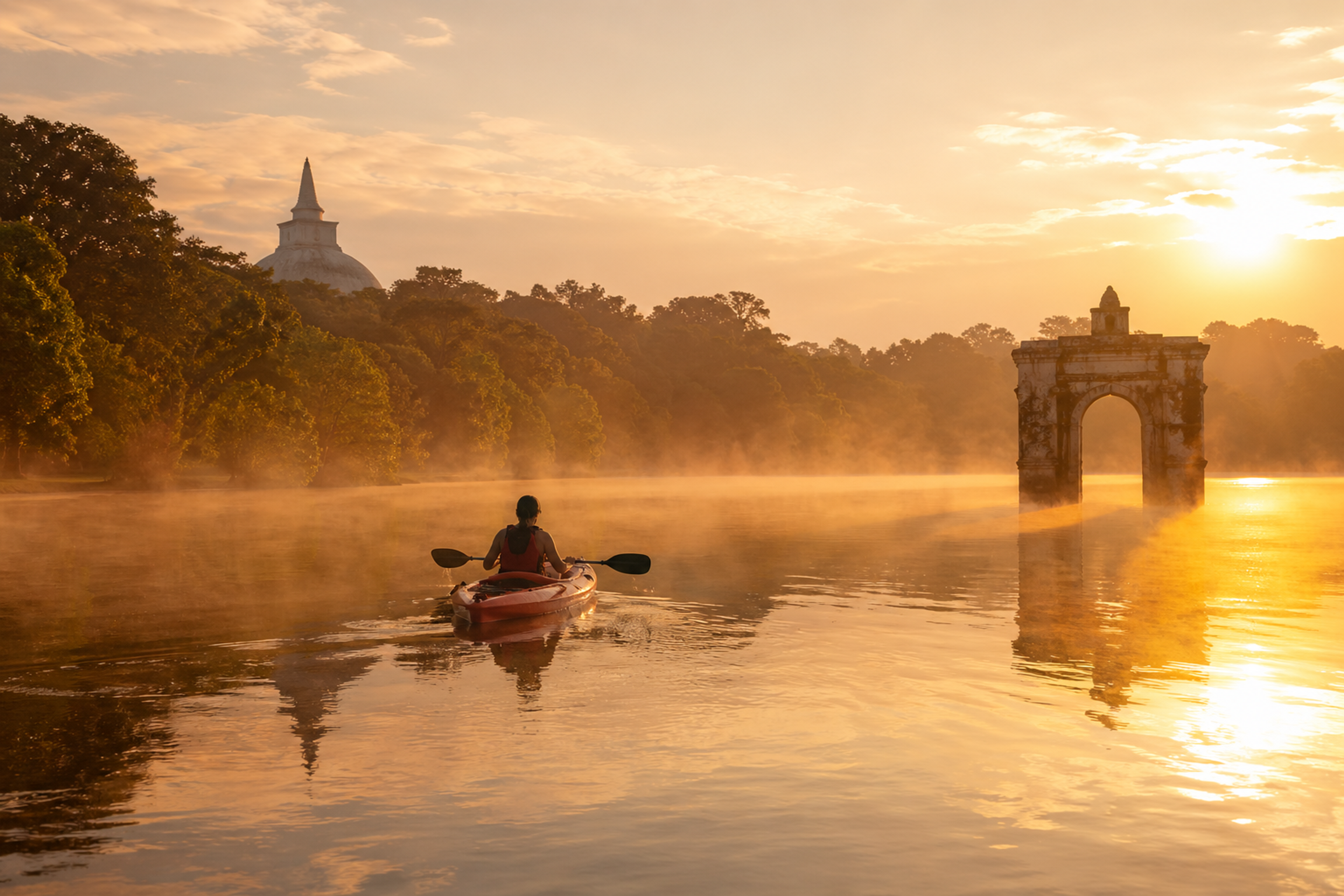
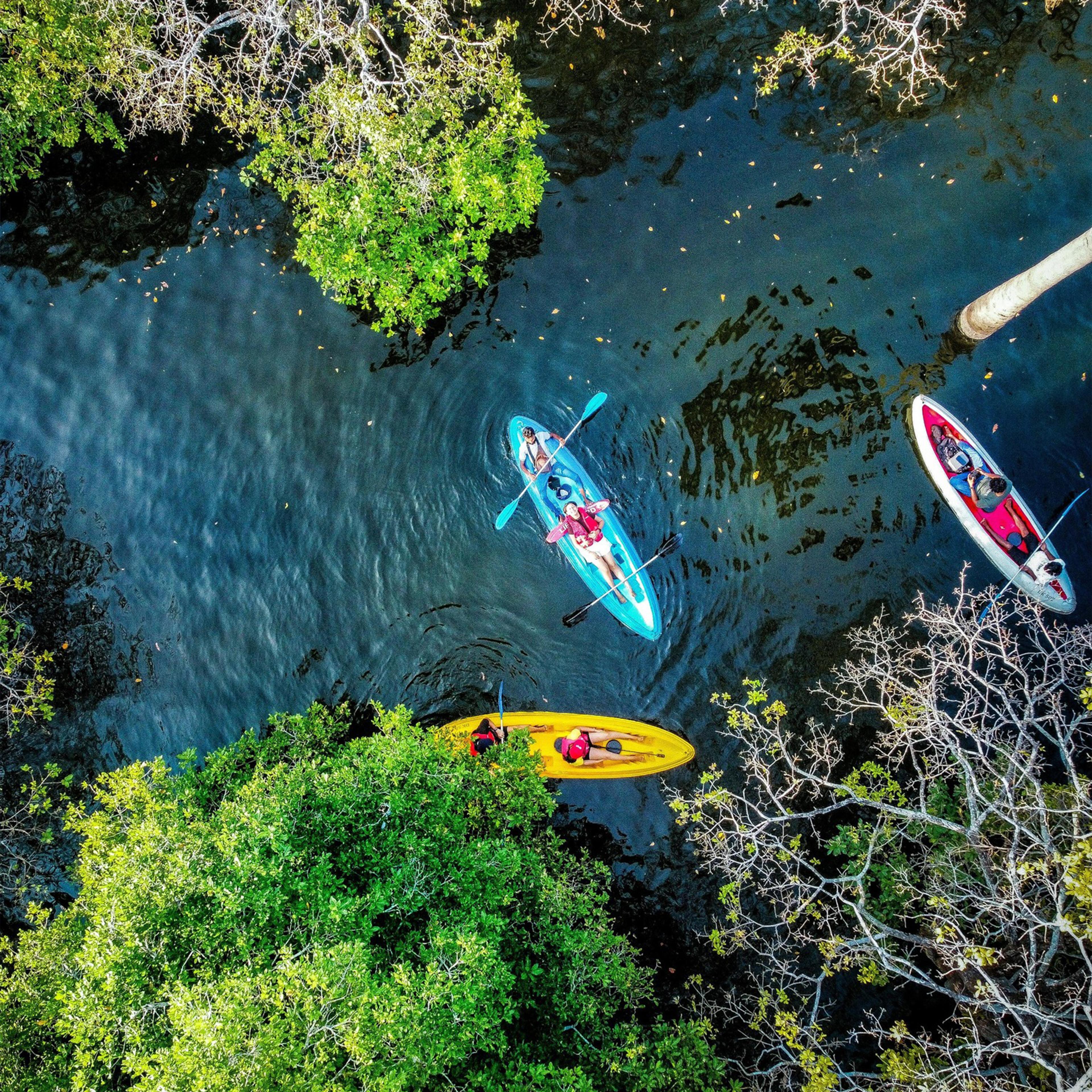
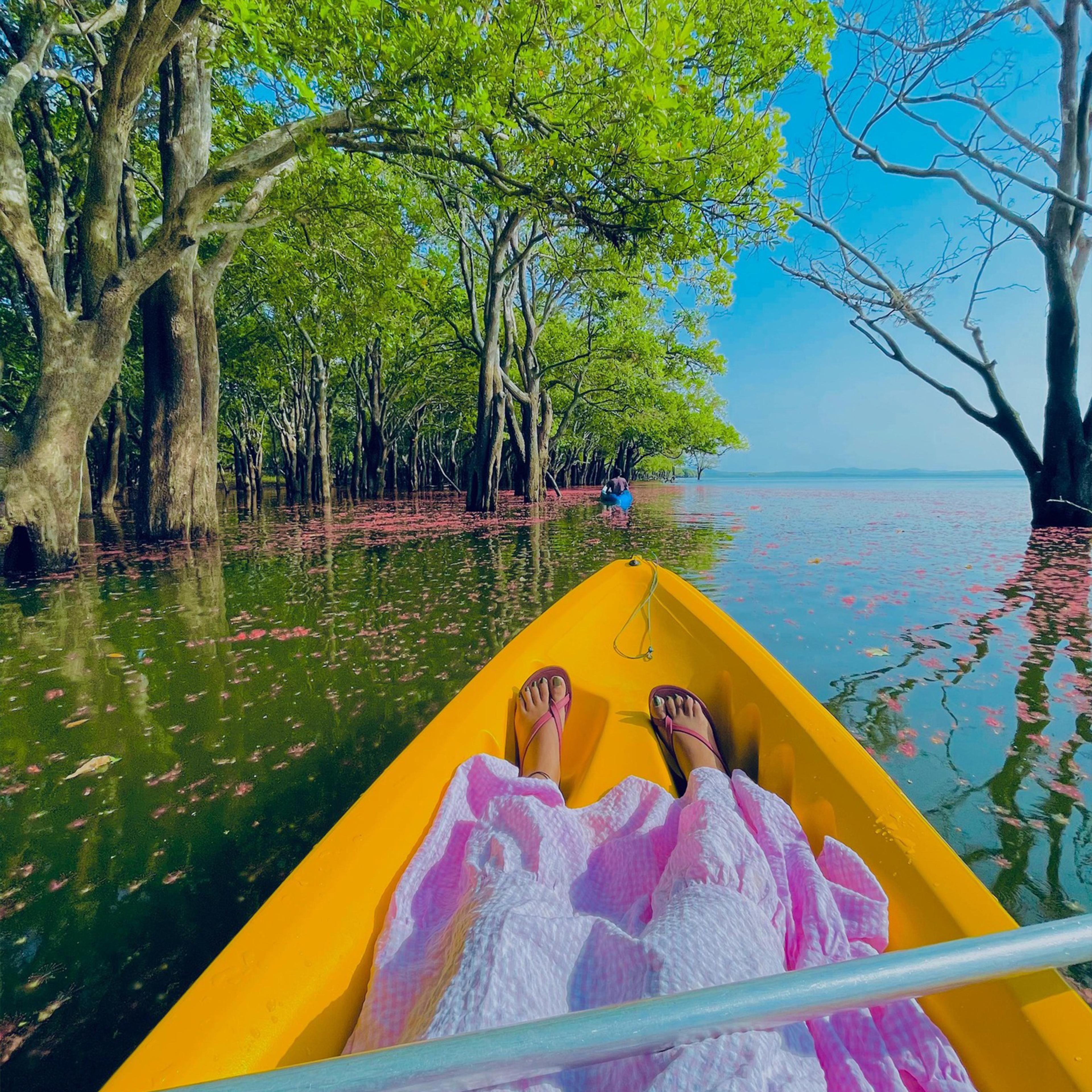
Launching from the bund edge, the scale of the tank only becomes apparent once you're out on it. The water is calm and wide. On early mornings, mist sits low across the surface. Herons, egrets, and kingfishers work the shallows. The surrounding landscape - scrub jungle, distant hills, the blue thread of the Mahaweli basin - gives the whole experience a stillness that's hard to find anywhere else on the island.
As you paddle, you're also within easy reach of the Somawathiya National Park, a sacred and biodiverse reserve known for its ancient stupa, and Trincomalee town itself with its beaches and the Koneswaram Temple. Kantale works beautifully as a morning on the water before an afternoon on the coast.
What to look out for: Painted storks, grey herons, open-billed storks, brahminy kites, and resident kingfishers. Early morning is best, when the light is low and the birds are active.
Book the Kantale Tank Kayak Package →
Kala Wewa Kayak Safari, Kekirawa, Anuradhapura
The History
If Kantale is impressive, Kala Wewa is extraordinary. Built by King Dhatusena around 460 AD, it is actually a twin-reservoir complex - Kala Wewa and Balalu Wewa - merged into one vast body of water capable of storing 123 million cubic meters. The earthen dam stretches 6.5 km and rises over 14 metres.
But the engineering marvel isn't just the tank. From its main sluice, King Dhatusena's engineers built the Jaya Ganga (Yodha Ela) - an 87-kilometre canal that carried water north to the ancient capital of Anuradhapura at a gradient of just six inches per mile. No machinery. No modern surveying equipment. Just extraordinary precision, hammered into the landscape fifteen centuries ago. The granite spillway built during that era still stands today, untouched since a British restoration in 1877.
Kala Wewa was declared a National Park in 2015, and the forest and scrubland surrounding the twin reservoirs form an ecosystem that supports a remarkable range of wildlife.
The Kayaking Experience
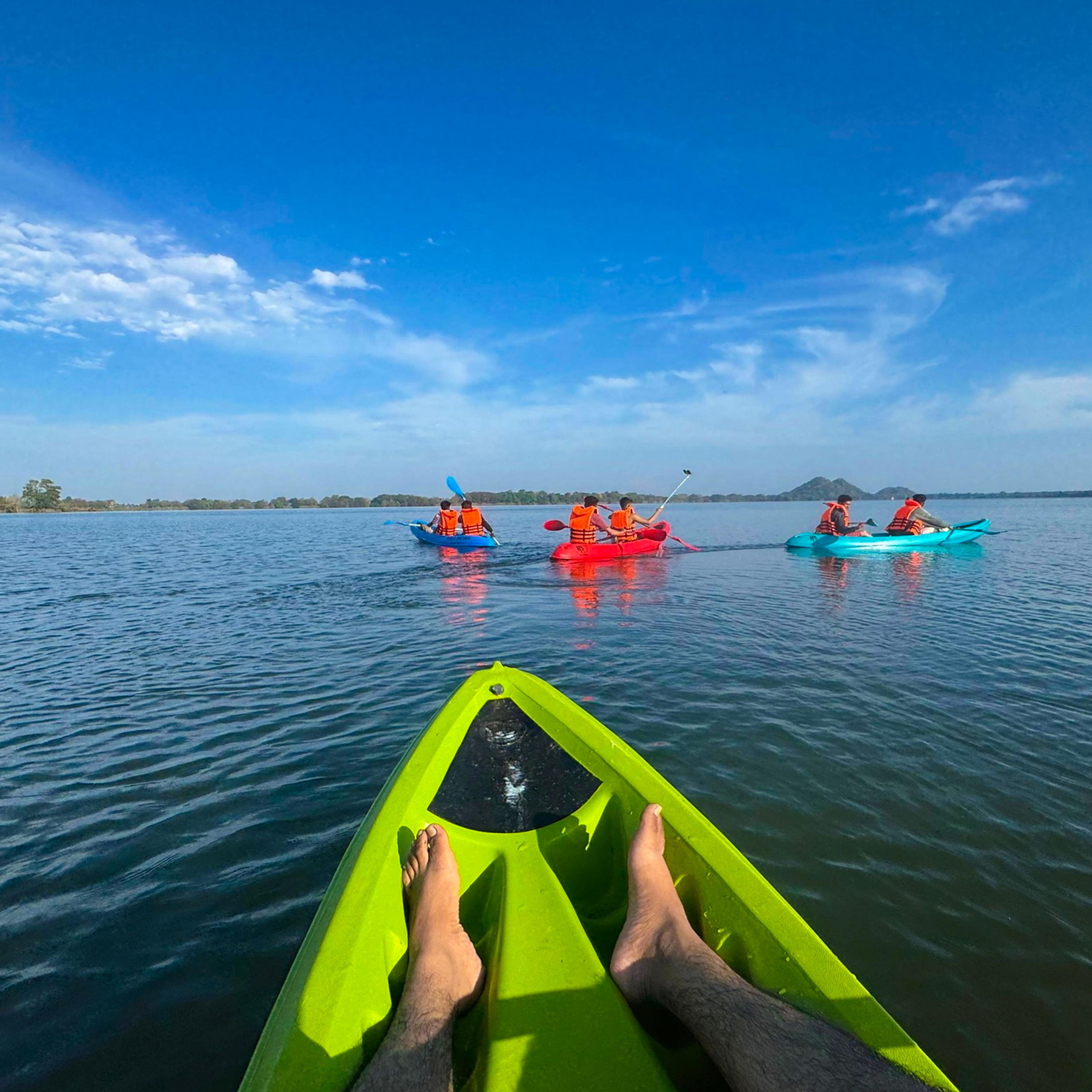
Kalawewa is a different energy from Kantale - wilder, more remote, with the sense of genuine wilderness just beyond the waterline. Paddling out across the reservoir in the early morning, you're likely to see elephants at the shore.
Remarkably, around 7% of the male elephants in the Kalawewa population are tuskers - a rare and visually striking sight from water level.
The birdlife here is spectacular: thousands of open-billed storks and painted storks are a common sight, alongside egrets, peacocks, deer along the banks, and kingfishers darting low across the surface. Distant from the treeline, the silhouette of the Avukana Buddha Statue - also built by King Dhatusena - is visible from certain points on the water, making for one of the more quietly remarkable views in all of Sri Lanka.
Sessions run between one and three hours. Early morning and late afternoon are the sweet spots - the light, the temperature, and the wildlife all cooperate.
What to look out for: Asian elephants (including tuskers), painted storks, open-billed storks, peacocks, deer, eagles, and the Avukana Buddha on the western horizon.
Book the Kala Wewa Kayak Safari →
Why Tank Kayaking Is Different
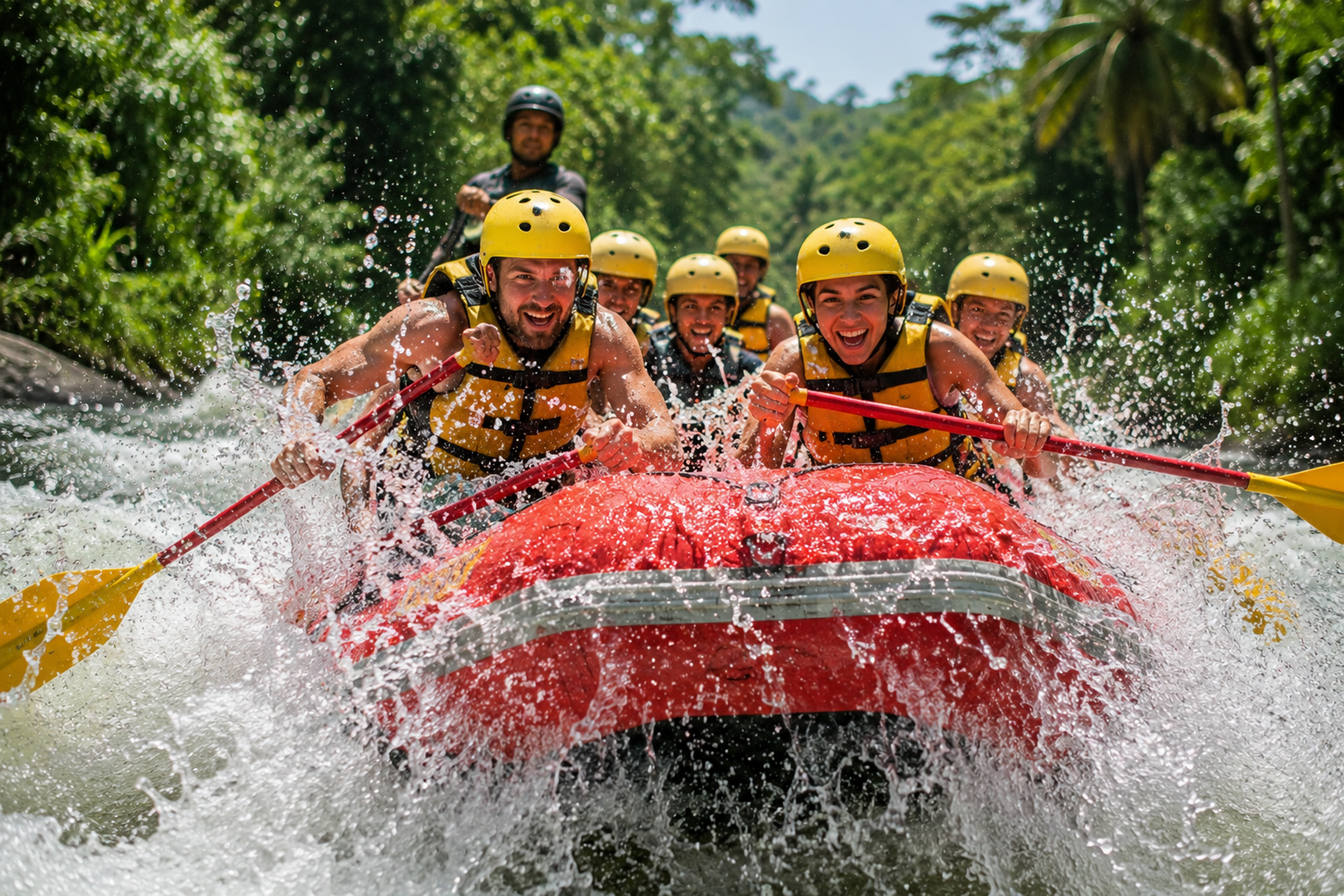
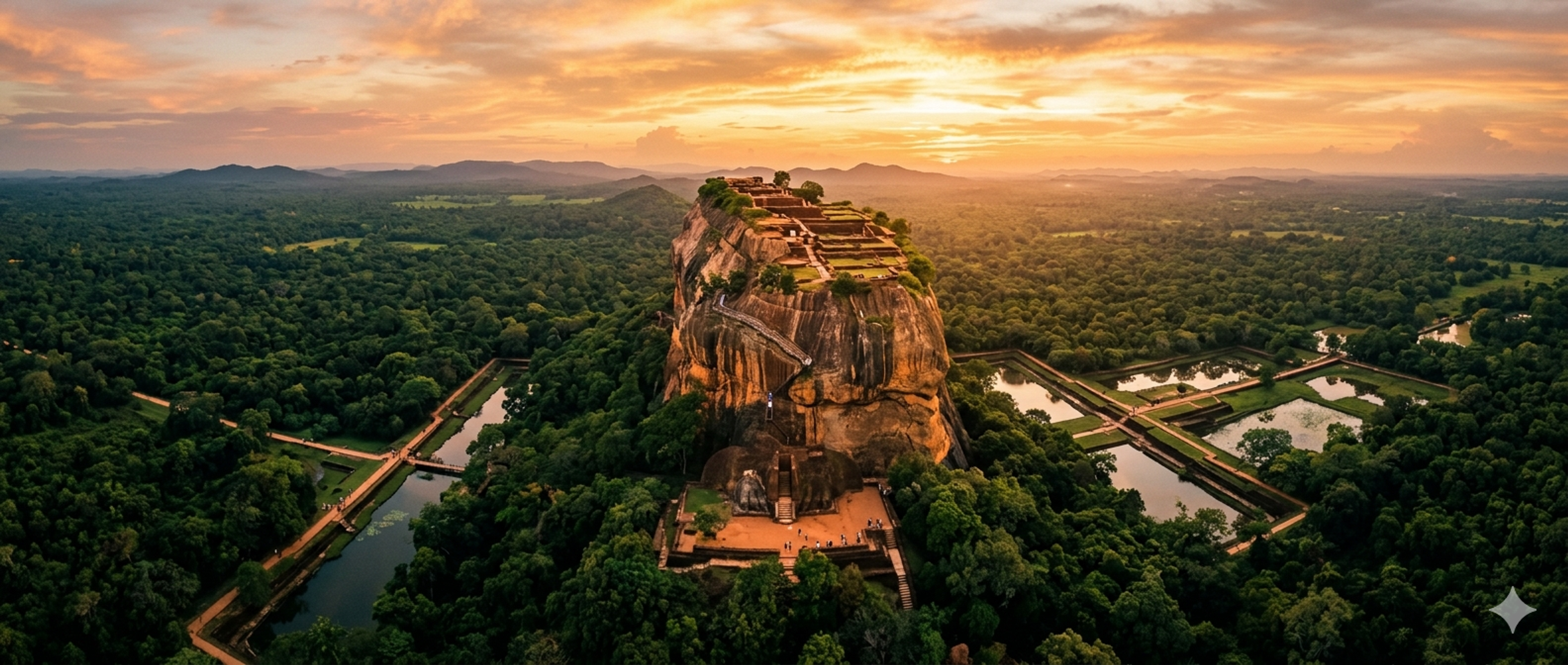
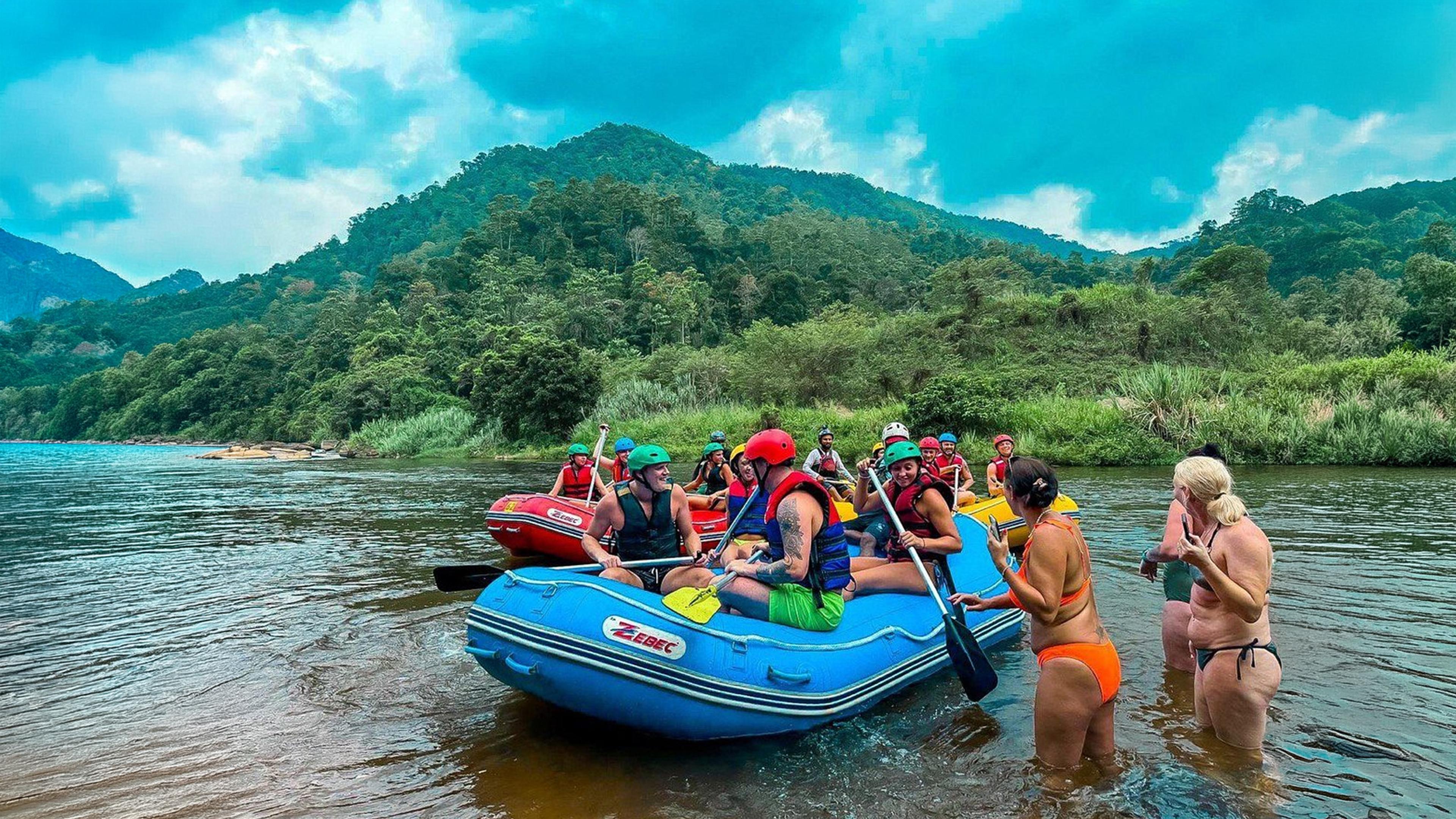
Most adventure experiences in Sri Lanka put you in motion - rafting rapids, climbing Sigiriya, surfing a break. Tank kayaking asks you to slow down. The water is flat. The paddling is gentle. The reward is attention: the closer you look, the more you see.
There's also a cultural layer that you won't get on a river or a coast. The tanks were the lifeblood of the ancient Sinhalese kingdoms - politically, spiritually, and agriculturally. Paddling across them, past the same bunds and sluice systems that have stood for a thousand years, gives a sense of continuity that very few travel experiences can offer.
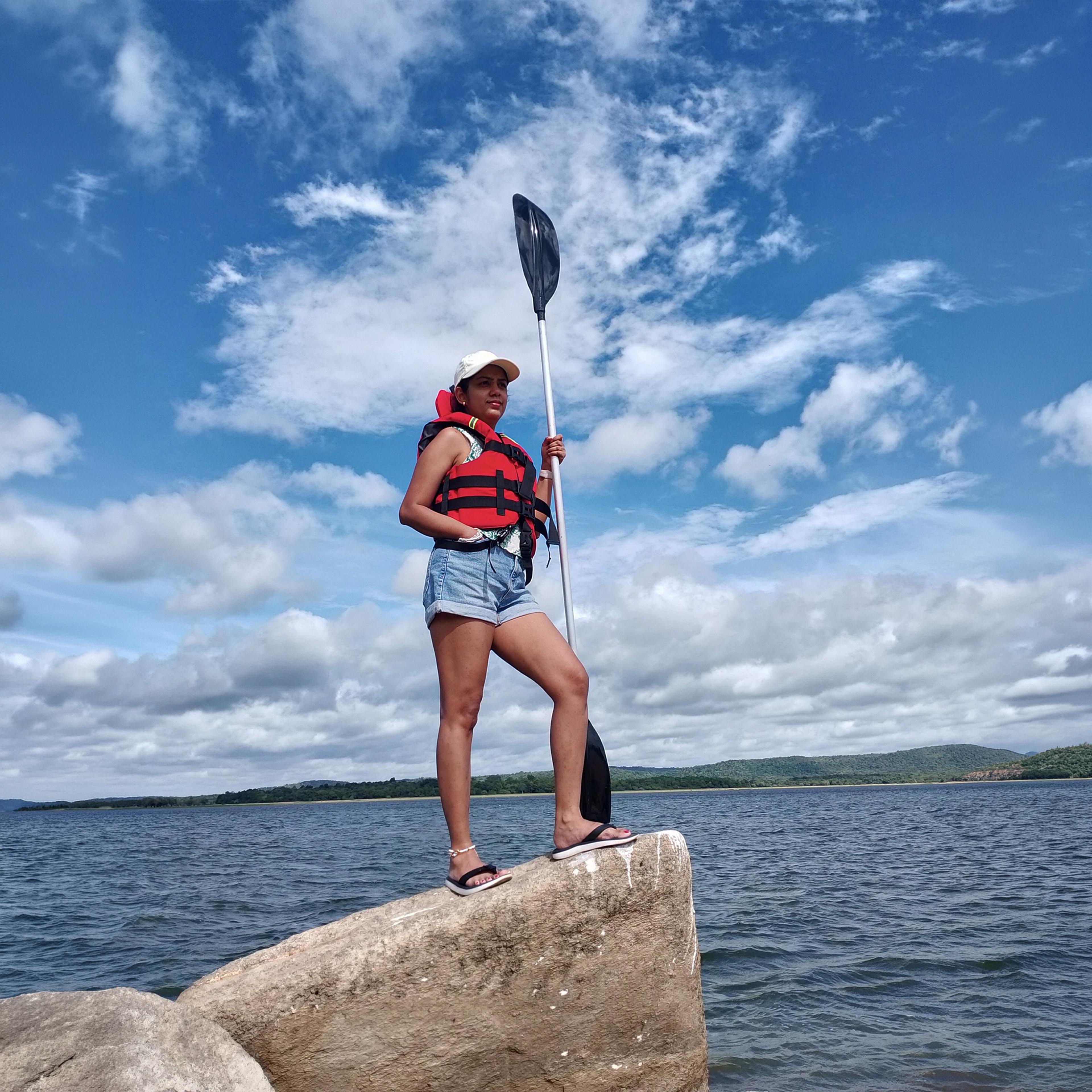
Sri Lanka's adventure tourism industry is growing fast - Travel + Leisure named the island one of its 50 Best Places for 2026, specifically for adventurous travellers. But tank kayaking remains niche, unhurried, and entirely off the beaten track. For now, at least.
Plan Your Trip
Both experiences are available through Rapid Adventures and can be combined with wider itineraries across the Cultural Triangle, the East Coast, or Anuradhapura's ancient city.
Kantale Tank Kayak - Best paired with a Trincomalee coast itinerary. Morning start recommended.
Kala Wewa Kayak Safari - Best paired with Anuradhapura, the Avukana Buddha, or Sigiriya. Elephant sightings most likely in the dry season (May - September).
Both locations suit beginners. No prior kayaking experience is required - all equipment and safety briefings are provided.
View all Rapid Adventures Kayaking Packages →
Contact us to plan your itinerary →
Rapid Adventures operates guided kayaking experiences across Sri Lanka, with a focus on responsible, small-group adventure travel. All packages are accompanied by experienced local guides.