Kayaking in Sigiriya, Kantale, and Kalawewa: What's Open, What's Paused, and When to Go
If you've been dreaming about kayaking across an ancient Sri Lankan reservoir with Sigiriya Rock rising in the distance, you're not alone. Tanks like Thalkote Wewa, Kalawewa, and Kantale have quietly become some of the most photographed spots on the island. But if you show up right now expecting to paddle, you might be surprised by what you find.
Sri Lanka's dry zone is going through a tough stretch. The Irrigation Department reported in late August that the country's 74 major reservoirs had dropped to around 36 to 37 percent of total capacity, with some tanks in Trincomalee, Mannar, Batticaloa, Hambantota, and Monaragala falling below 30 percent. Officials are pointing to a stronger than usual El Niño pattern this year, which is speeding up evaporation and cutting into water that farmers and paddlers both depend on.
That drop is reshaping what a wewa trip looks like this season. Here's where things stand at each spot, and what you can still do while you wait for the rains.
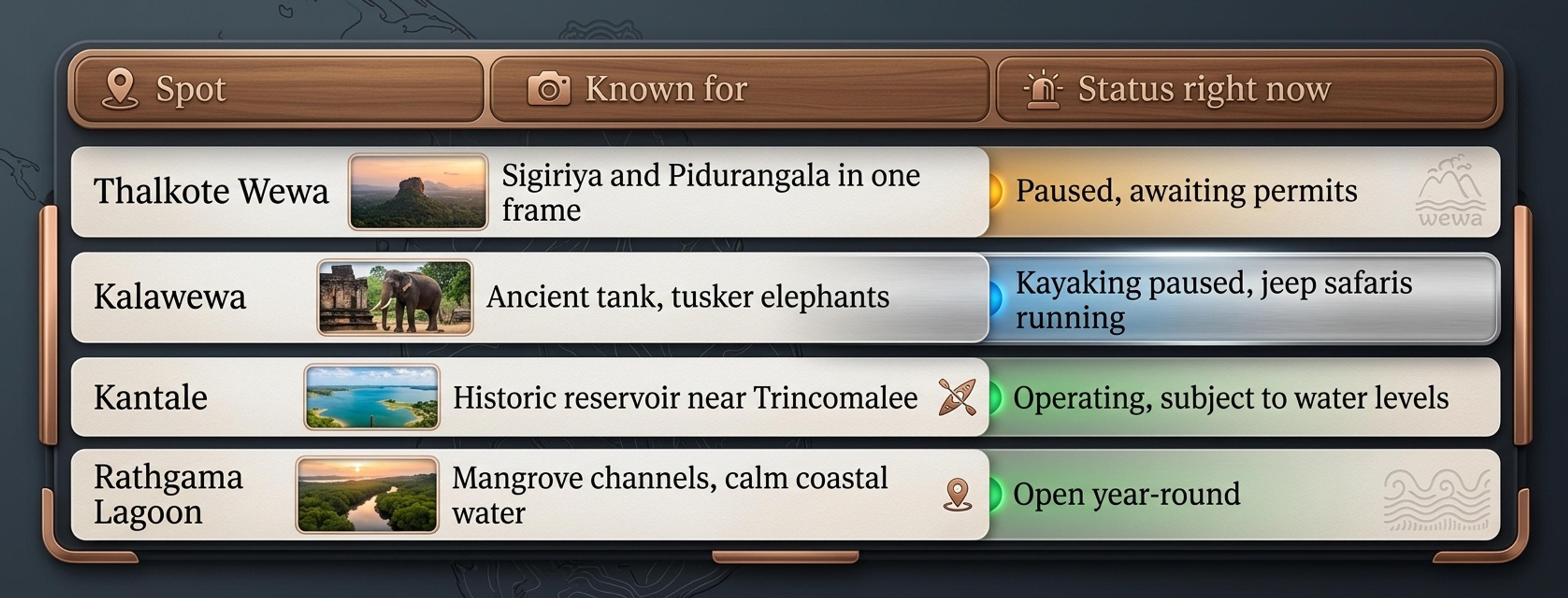
Thalkote Wewa: paused, not gone
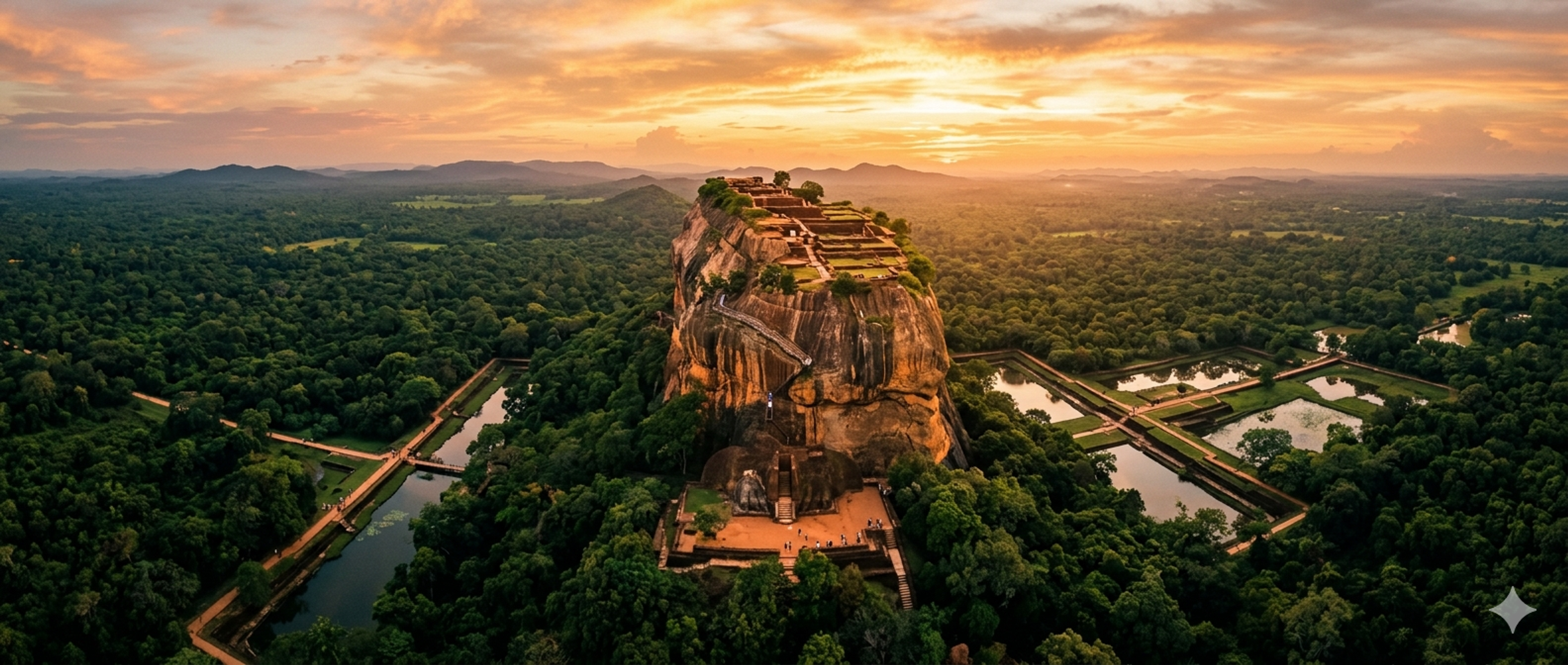
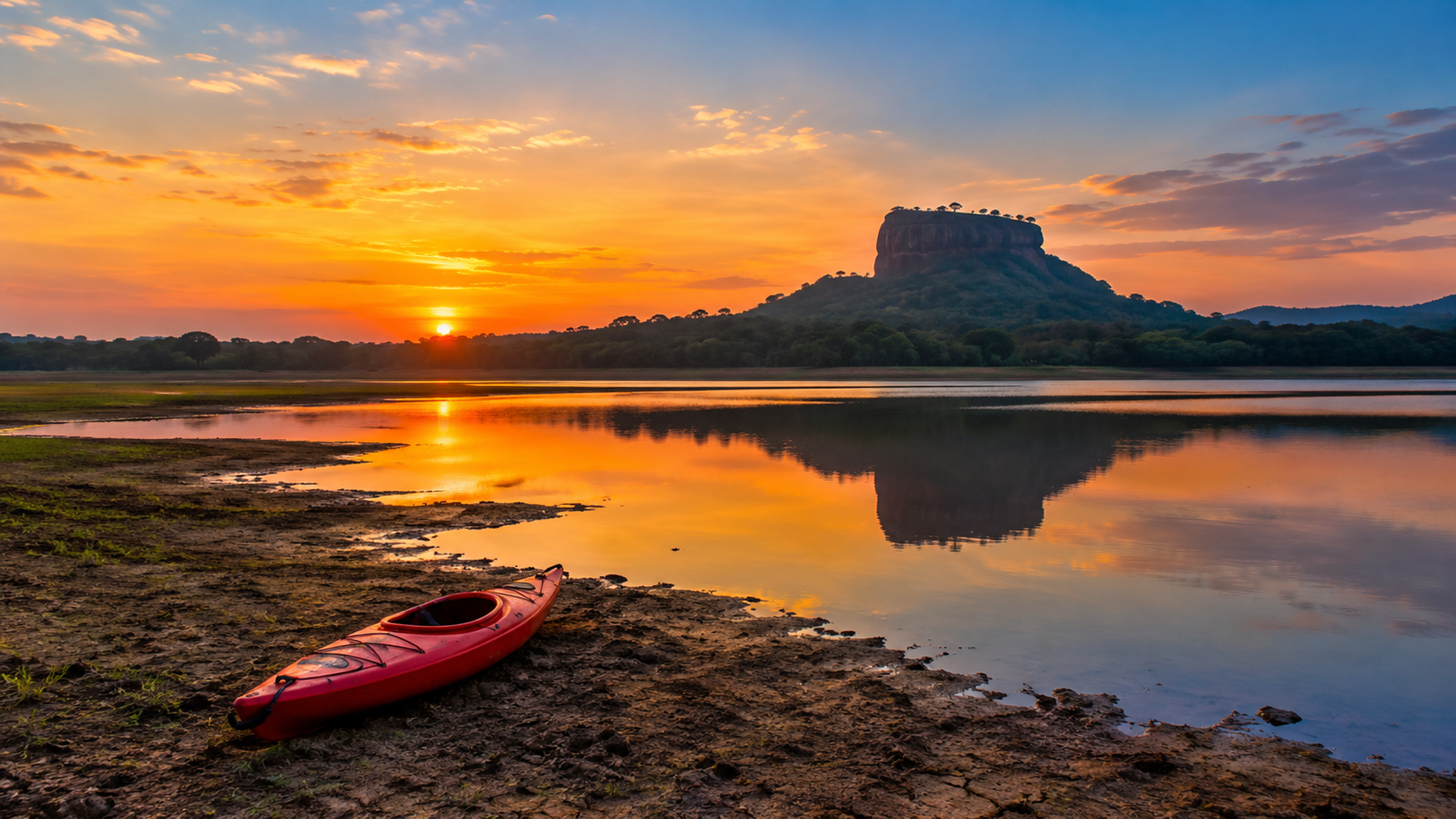
Thalkote Wewa is the tank that gives you the rare shot of Sigiriya Rock and Pidurangala Rock in the same frame, mirrored across still water at sunrise. It's a short drive (or a scenic three-hour jungle walk, if you're up for it) from Sigiriya town.
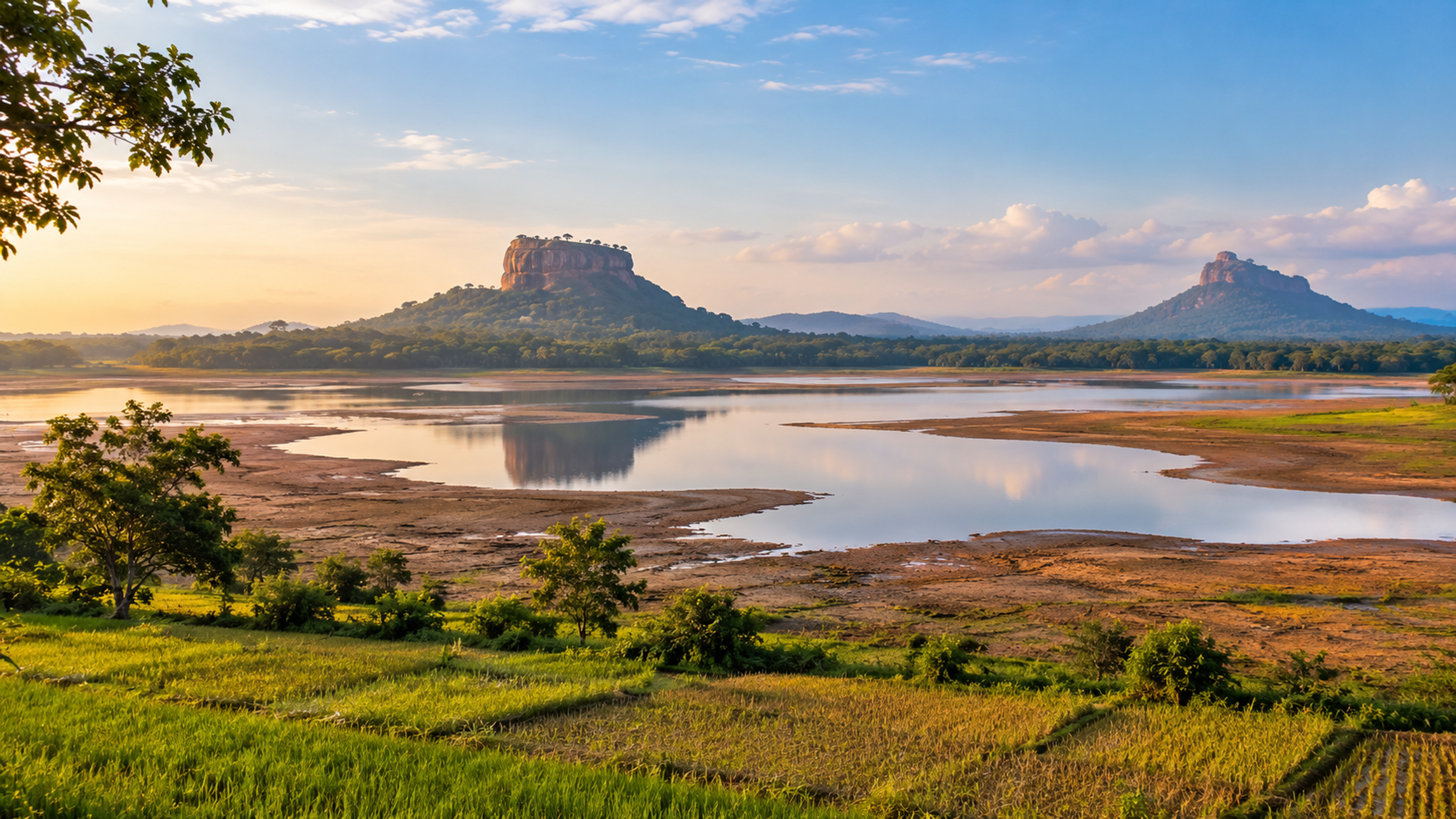
Kayaking here has been paused since August. Local authorities are still working out the framework for commercial water sports on this specific tank, and until that clears, operators can't legally put boats on the water. There's no fixed reopening date yet. We're following up with the relevant offices regularly, and we'll post the moment permissions come through.
In the meantime, the viewpoint itself is still worth the trip. Even without a boat, you can walk down to the bank at sunrise or sunset and get that same two-rock view for free, with the local paddy fields and village life around you.
Kalawewa: the water drops, the safaris start
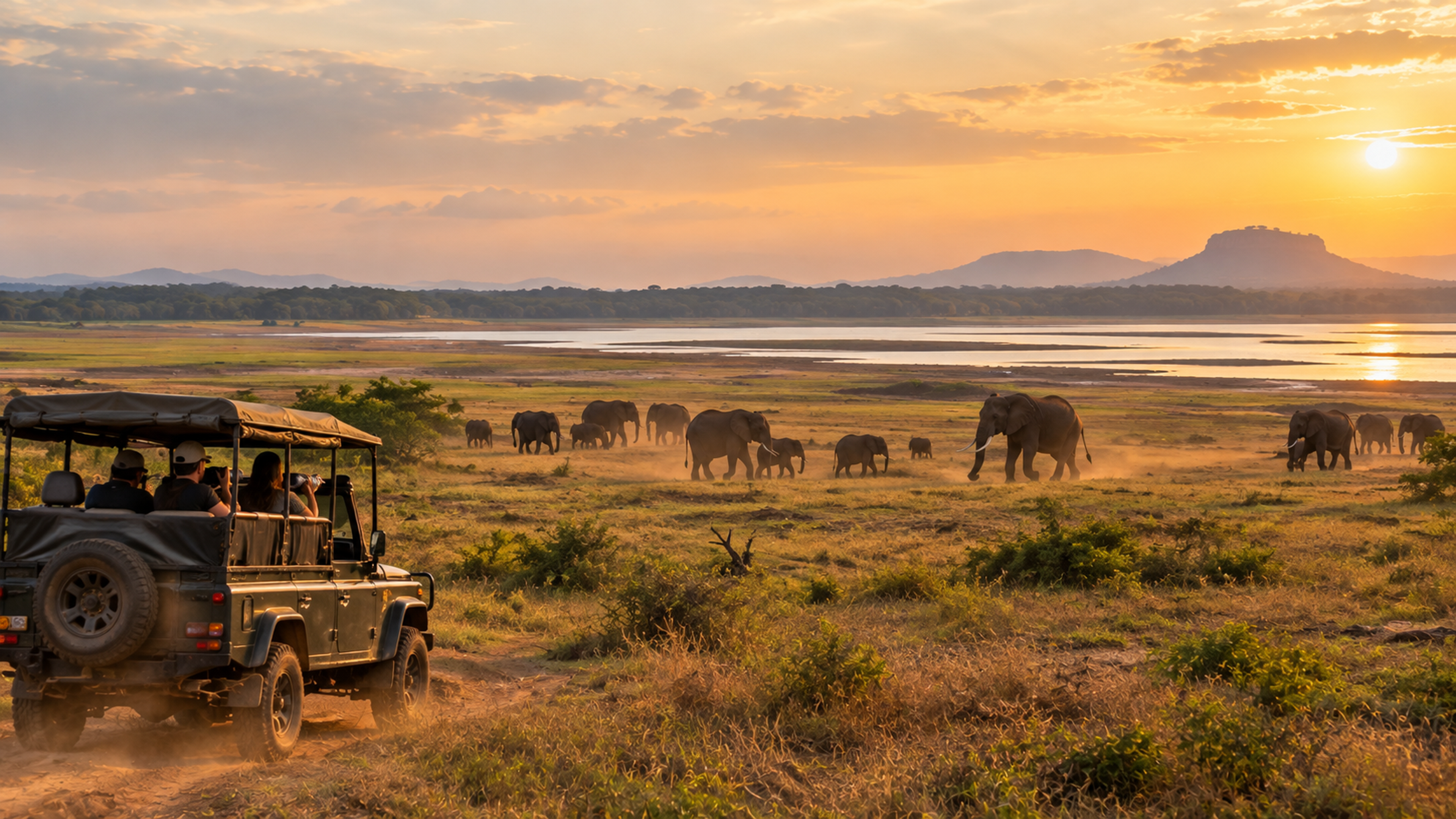
Kalawewa is one of the oldest reservoirs on the island, first built in the 5th century by King Dhatusena. When it's full, gliding along the tree line here puts you close to herons, kingfishers, and the occasional basking crocodile.
Low water has paused kayaking at Kalawewa too, but the dry tank floor isn't wasted space. As the water pulls back, wide grasslands open up around the shoreline, and that's exactly the terrain elephants come looking for. Local jeep safari operators are running regular trips across these exposed flats, and Kalawewa is known for having one of the highest concentrations of tusker elephants in the country. If you're flexible about how you see the tank, a safari right now might actually show you more wildlife than a kayak trip would in the wet season.
Kantale and Rathgama: still on the water
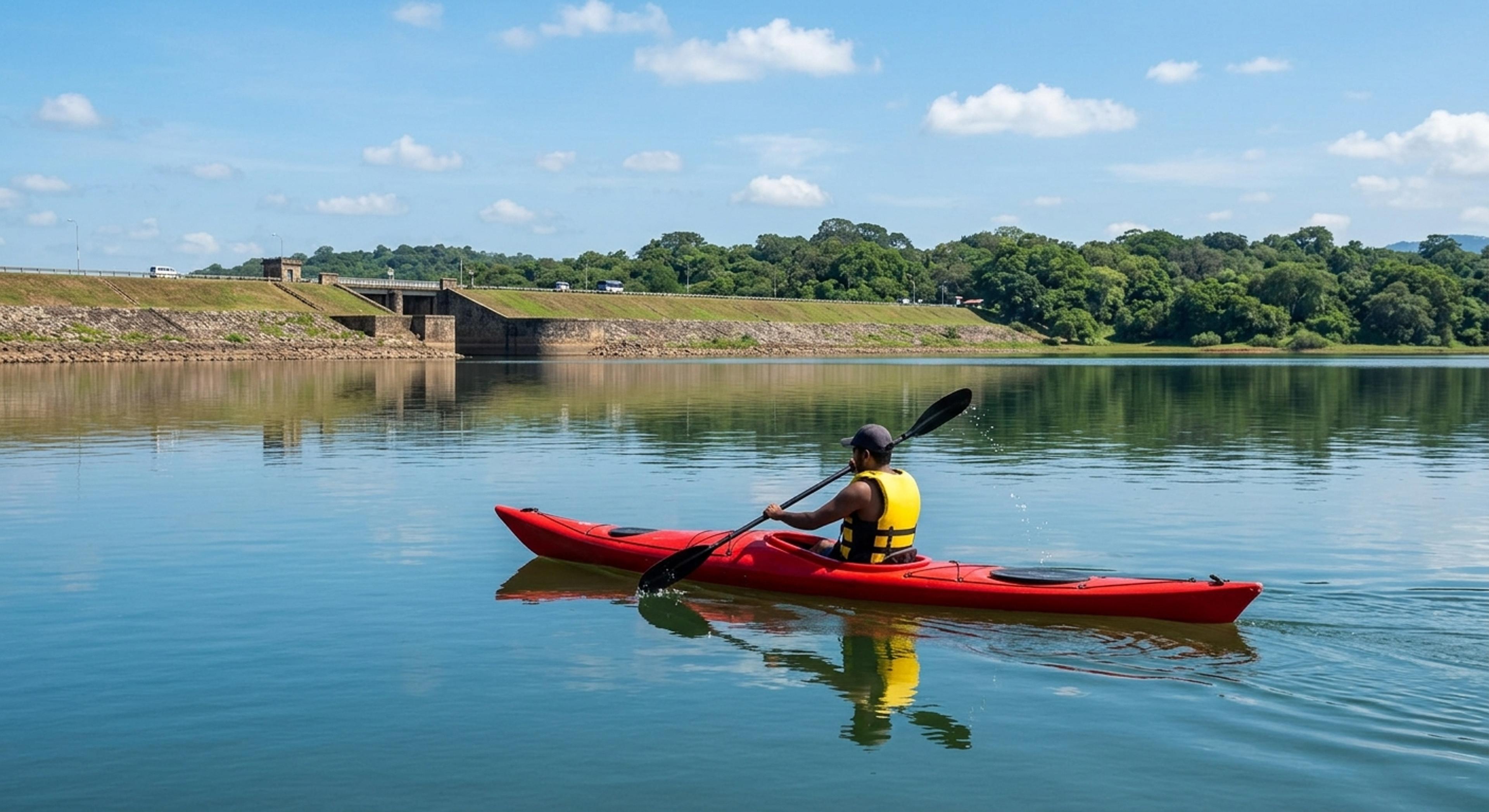
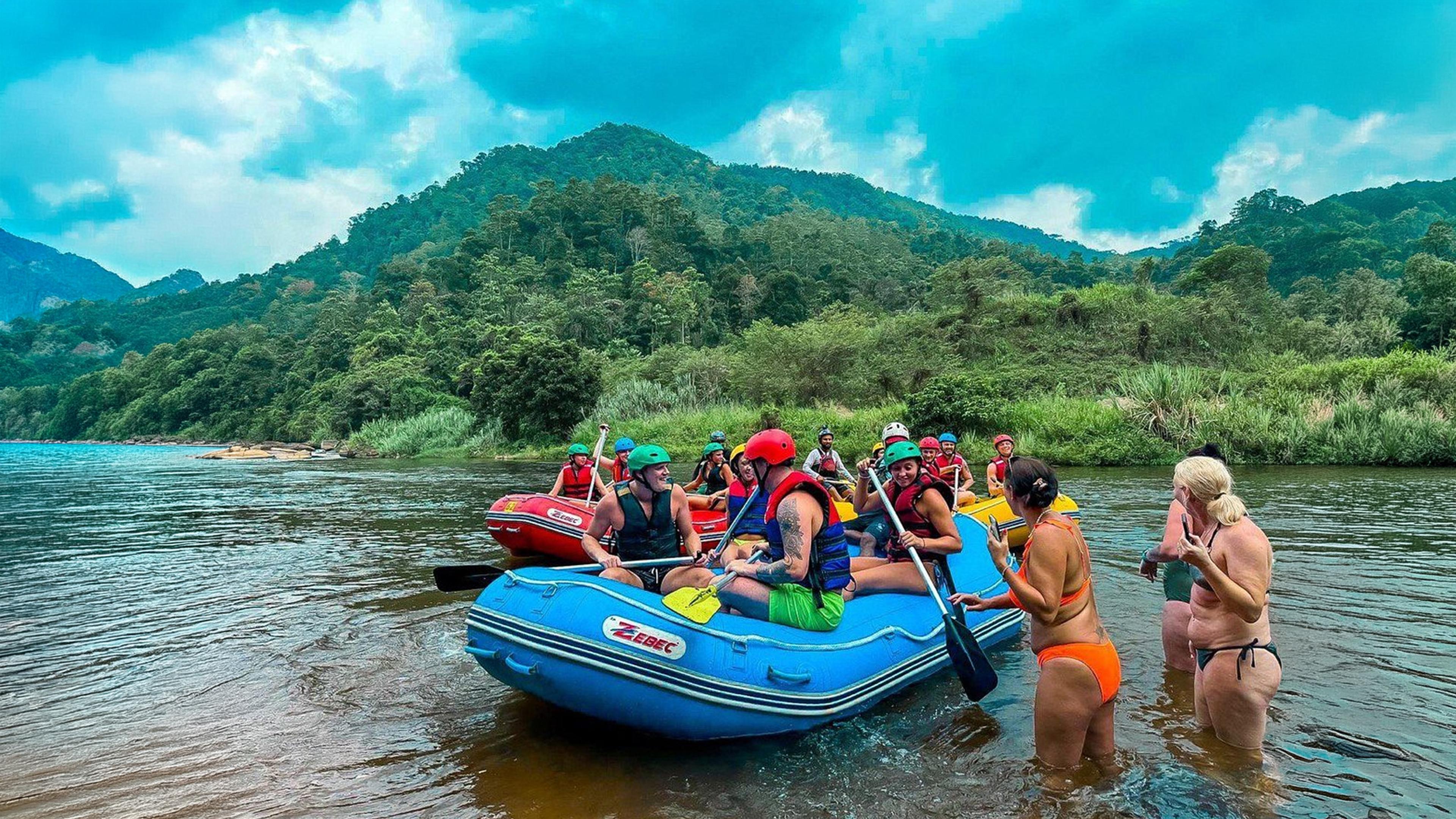
Not every tank is sitting this one out. Kantale Reservoir, near the road to Trincomalee, is holding up better and remains a solid stop for flat-water paddling. It's also one of the oldest working irrigation tanks in the country, first built in the 7th century under King Aggabodhi II and later expanded by King Parakramabahu the Great. The sluice gates you'll see on the bund aren't decorative. They're still regulating water for paddy fields across the Trincomalee hinterland today.
Down south, Rathgama Lagoon runs on a completely different water system. Its mangrove channels and small islands stay paddlable through most of the year, so if the inland tanks have you missing time on the water, Rathgama is the easy substitute.
Why the tanks empty out like this
Sri Lanka runs on two monsoons. The Yala monsoon brings rain to the southwest roughly from May to September, while the Maha monsoon arrives from the northeast between October and January. Thalkote Wewa, Kalawewa, and Kantale all sit in the dry zone, in the north central and eastern parts of the island, which means they depend heavily on the Maha rains to refill.
That's also why late August through September is normally the driest stretch for these tanks, and this year's El Niño has only widened the gap. Once the Maha rains start moving in around October, these reservoirs tend to fill back up fast. Dry, cracked earth turns green again within days, and paddling conditions come back close to their best.
Tips for visiting during the dry spell
A few things are worth knowing if you're planning a trip in the next few weeks, before the water returns.
- Go early. Whether it's a viewpoint stop at Thalkote or a jeep safari at Kalawewa, sunrise and early morning light beat the midday heat, and wildlife is more active before 9am.
- Bring a zoom lens, not a kayak. With water levels low, photography and wildlife spotting are the better bet at the paused tanks right now.
- Check before you drive out. Roads to some of these tanks, especially Thalkote, have unpaved stretches that get rough without recent grading. A quick check with your operator saves you a wasted trip.
- Don't skip Kantale and Rathgama. If paddling is non-negotiable for your trip, these two keep you on the water without the wait.
Planning around the season
If kayaking at Sigiriya or Kalawewa is the main reason for your trip, timing matters. Aim for late October through January, once the Maha monsoon has had a few weeks to build up water levels. If you're visiting sooner, treat the dry season as a different kind of trip rather than a cancelled one. Swap the kayak for a Kalawewa jeep safari, keep Kantale and Rathgama on the list for paddling, and add the Thalkote viewpoint for the view alone.
We track water levels, permit updates, and weather shifts on these tanks every week, so our team always knows which spots are ready before you book.
Ready to plan around it? Check our live experiences at rapidadventures.lk/experiences, or email book@rapidadventures.lk and we'll help you build a trip that matches the season.
Sources: Irrigation Department of Sri Lanka via Xinhua and Newswire.lk (August 2026 reservoir capacity reports); historical details on Kantale Tank via Wikipedia/Mahavamsa records.