Okay so you've probably seen the headline floating around this week. 274 people stood on top of Mount Everest. On the same day. That's not a typo.
To put that in perspective, that's roughly the number of people on a fully loaded commercial flight. Imagine an entire Boeing 777 worth of humans, all crammed onto the highest point on Earth, one after the other, within 24 hours.
Wild, right?
Here's the full story, and honestly, it raises some pretty big questions about where adventure travel is headed.
So What Actually Happened?
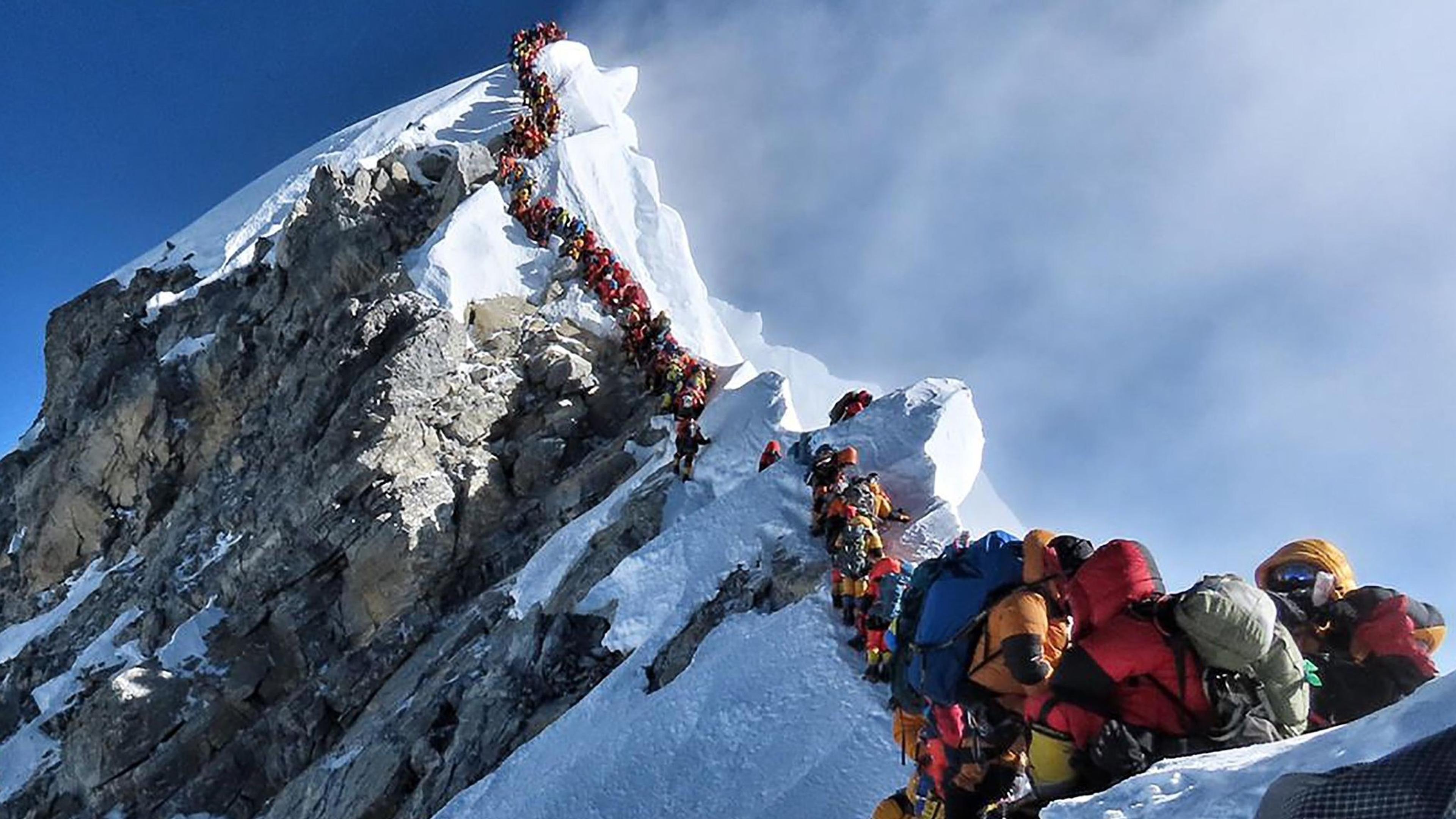
On May 21, 2026, a record 274 climbers reached the summit of Mount Everest from the Nepal side, making it the highest single-day summit count ever recorded from the southern route. The previous record was 223 climbers, set back in May 2019.
But here's the thing. This record wasn't just about ambition. It was partly the result of a very bad start to the season.
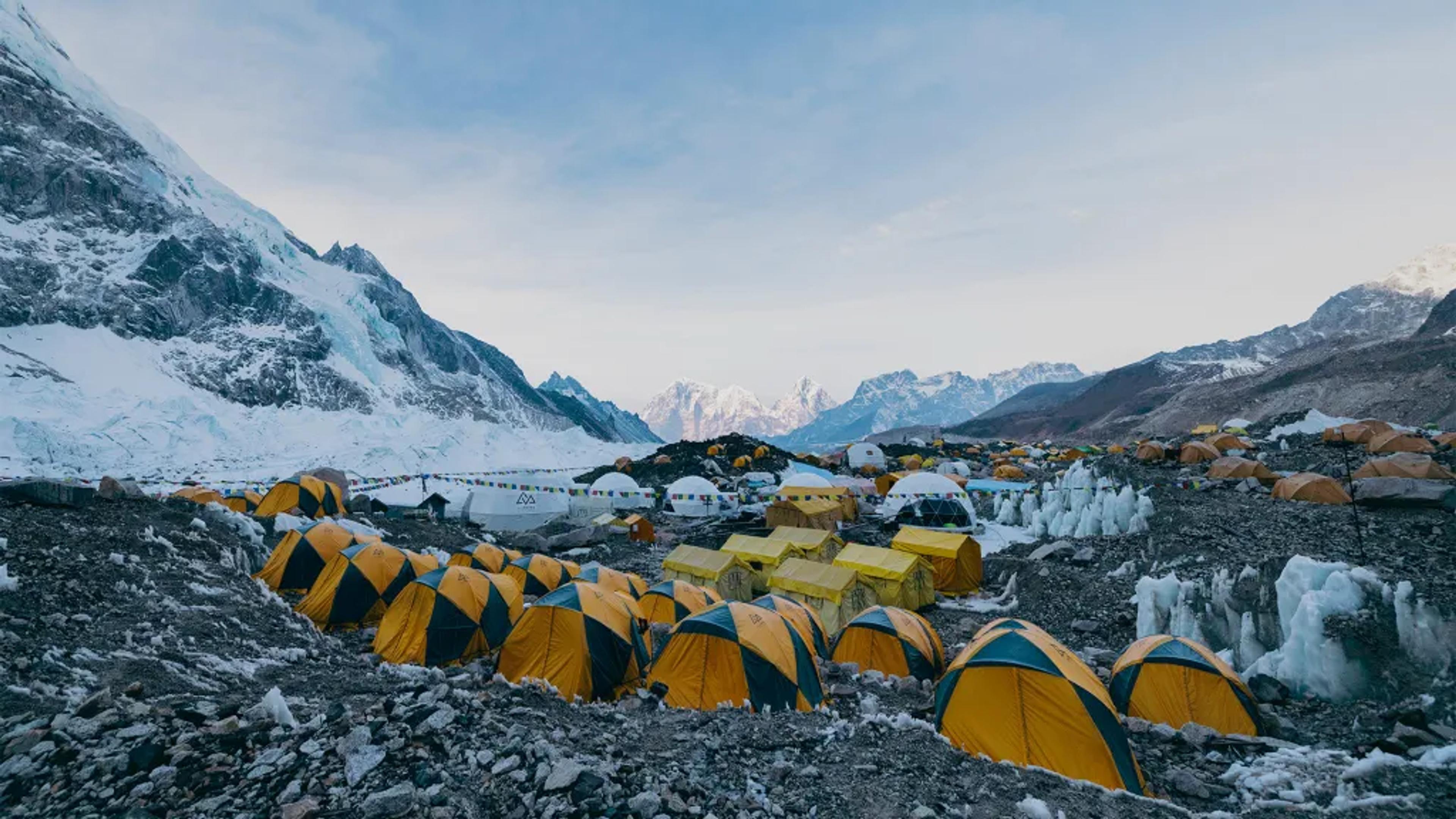
A massive glacial ice block (called a serac) had blocked the main route for weeks, forcing hundreds of climbers to sit and wait at Base Camp. The "icefall doctors" are the specialist Sherpa teams who maintain the route through the deadly Khumbu Icefall, and they worked for weeks to clear it. The route finally opened on May 13, but by then, a giant backlog of climbers had built up, all eyeing the same narrow weather window to push for the top.
When the skies cleared on May 21, they all went. At once.
The Good News First
Remarkably, there were no reported fatalities or serious injuries from that record-breaking rush to the summit. Given how dangerous the Death Zone is (anything above 8,000 metres, where your body literally cannot absorb enough oxygen to survive), that's honestly incredible.
Credit goes to the Sherpa guides and expedition teams who kept the logistics running. These are some of the most skilled mountain professionals on the planet, and days like this are a reminder of just how much work goes into keeping climbers alive up there.
But Here's the Uncomfortable Part
Let's be real. 274 people on one day is a lot. And it raises questions that the climbing community has been arguing about for years.
The "traffic jam" problem is very real. When that many climbers are moving up a single fixed rope on a narrow ridge, delays happen. And on Everest, delay can mean death. The longer you stay in the Death Zone, the worse your odds get. In past crowded seasons, climbers have waited hours in line, exposed to extreme cold and low oxygen, simply because there were too many people ahead of them.
Nepal issued nearly 500 permits this year. That's the highest number ever. Each permit costs tens of thousands of dollars, which means serious revenue for Nepal, but it also means more people on the mountain than it can comfortably handle.
Even Kami Rita Sherpa, the guy who has summited Everest a record 32 times and literally just broke his own record again this season, has come out publicly and said Nepal needs to cap the permits. His words: "This expedition was a bit crowded. The government needs to control it." When the person who's climbed Everest more than anyone alive says it's too crowded, maybe it's time to listen.
What Does a Day Like This Actually Look Like?
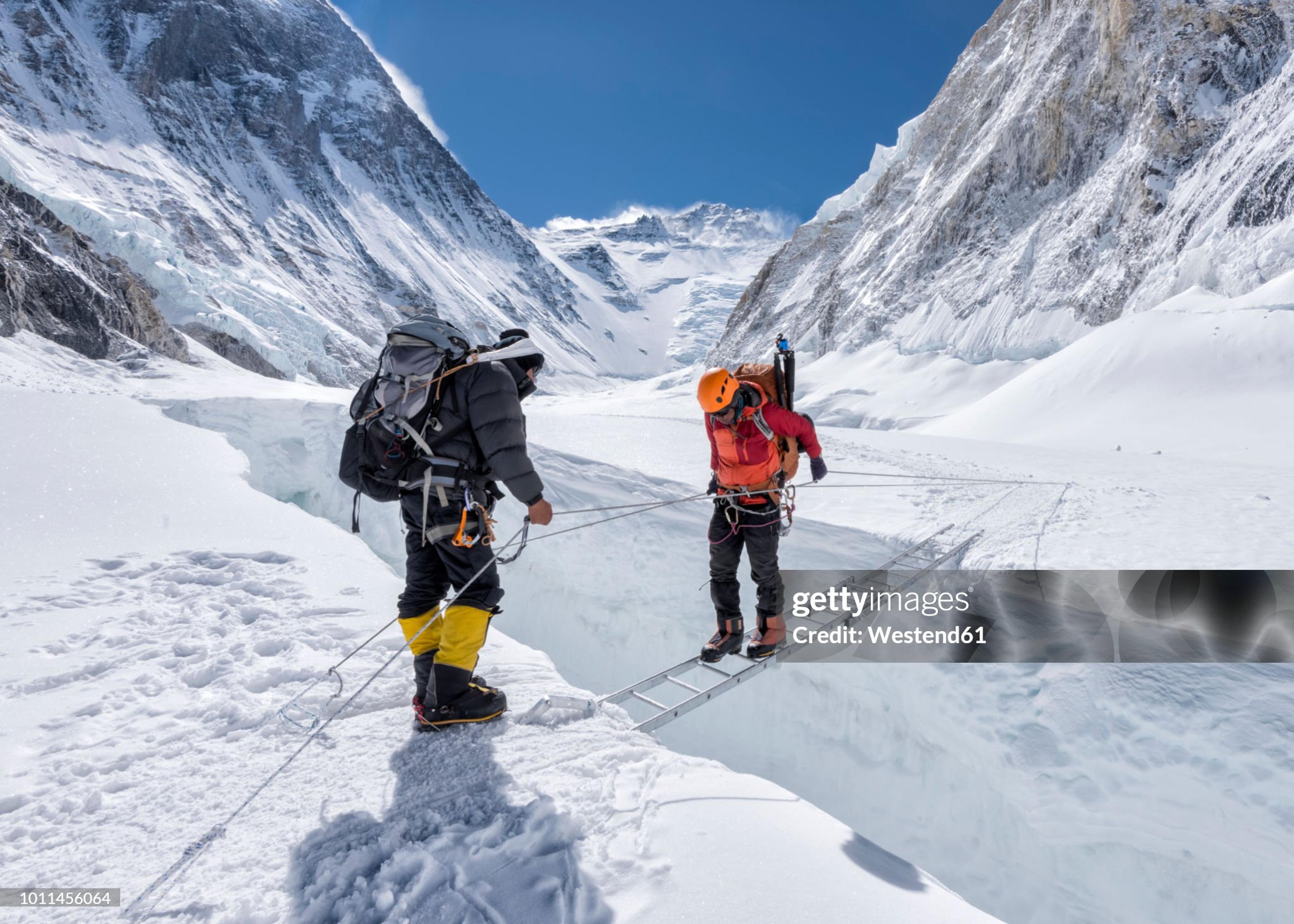
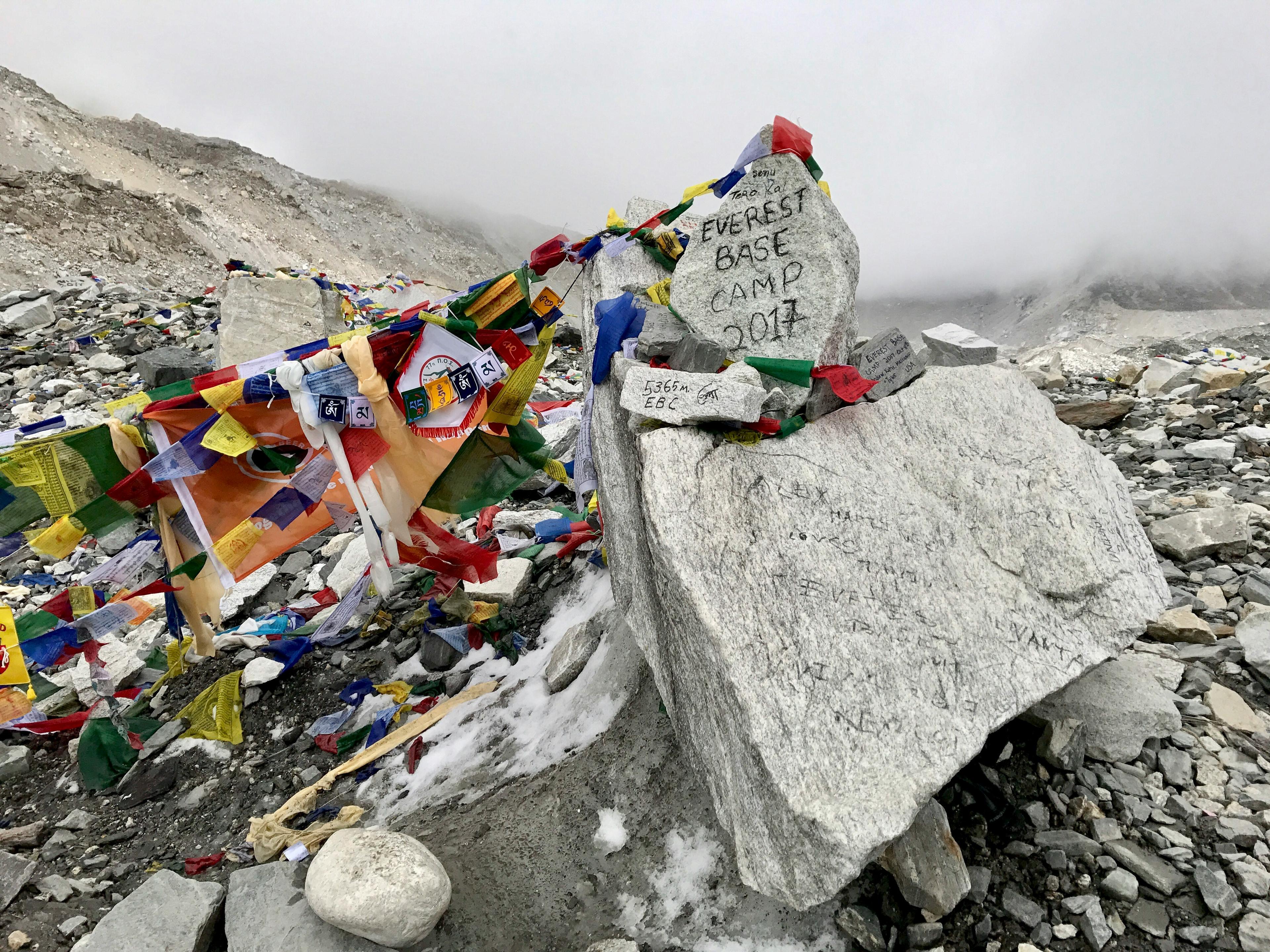
Picture this. You've trained for years. You've spent weeks acclimatising at Base Camp at 5,364 metres. You've made it through the Khumbu Icefall, one of the most dangerous sections of the climb, with its house-sized chunks of unstable ice and crevasses you cross on thin aluminium ladders.
You're now at the South Col, the last camp before the summit push. It's around midnight. It's -30°C. And ahead of you, stretching up into the darkness, is a line of headlamps. Hundreds of them. All moving slowly toward the same point.
That's what May 21 looked like.
Some climbers describe the summit ridge as feeling like a queue at an airport. Except one wrong step and it's a several-thousand-metre drop.
Is Everest Becoming Too Commercial?
This is the debate that won't go away.
On one hand, mountaineering is a sport that has always attracted people willing to pay for the privilege. Guided expeditions on Everest can cost anywhere from $30,000 to $100,000+ depending on the operator. If you're paying that kind of money, you want your shot at the summit.
Thinking about high-altitude trekking but not quite ready for Everest? Check out some incredible Himalayan trekking alternatives on Viator or GetYourGuide, from Annapurna Base Camp to Langtang Valley, there are trails for every level.
On the other hand, critics argue that Everest is increasingly attracting climbers who aren't experienced enough for the mountain, and that inexperience creates bottlenecks and puts everyone at risk, including the Sherpas who guide them.
Nepal has taken some steps. They've banned solo climbing on all peaks above 8,000 metres. They've raised royalty fees significantly. And this year, they also issued permits for 30 different Himalayan peaks, not just Everest, trying to spread climbers out across the range.
But with nearly 500 Everest permits still handed out in a single season, the numbers keep going up.
The Environmental Side Nobody Talks Enough About
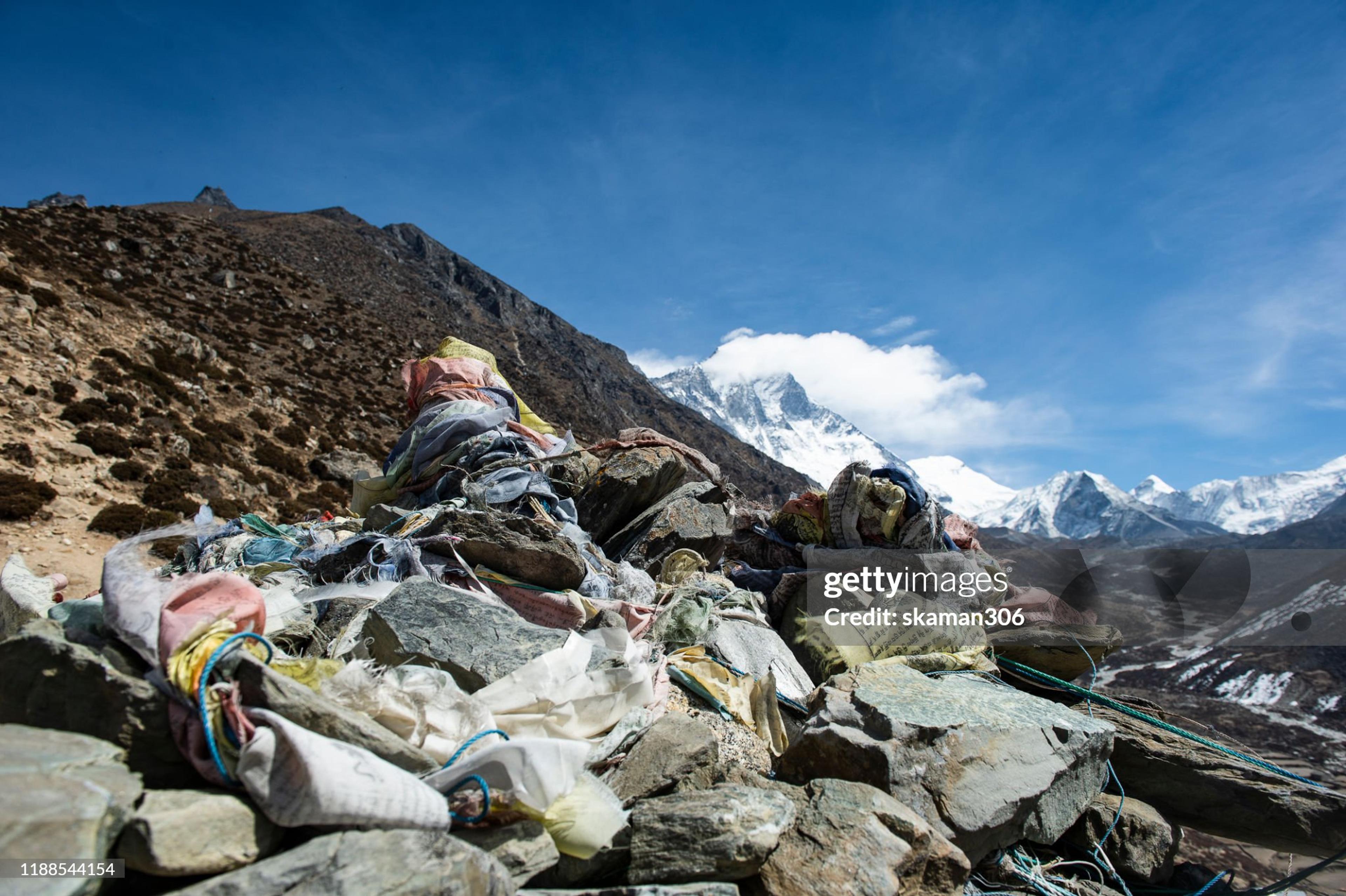
More climbers also means more waste. Last year alone, clean-up teams removed 11 tonnes of rubbish from Everest. Eleven tonnes. On a mountain.
And climate change is making things worse. Glaciers are retreating, the Khumbu Icefall is becoming less predictable, and the routes that have been used for decades are shifting.
The mountain is under pressure from every direction.
So Should You Ever Climb Everest?
If it's on your bucket list, nobody's here to talk you out of it. But the experience you're imagining, a quiet, personal victory at the top of the world, is genuinely hard to find on today's Everest.
What you're more likely to experience is months of preparation, huge cost, significant physical risk, and yes, possibly a queue.
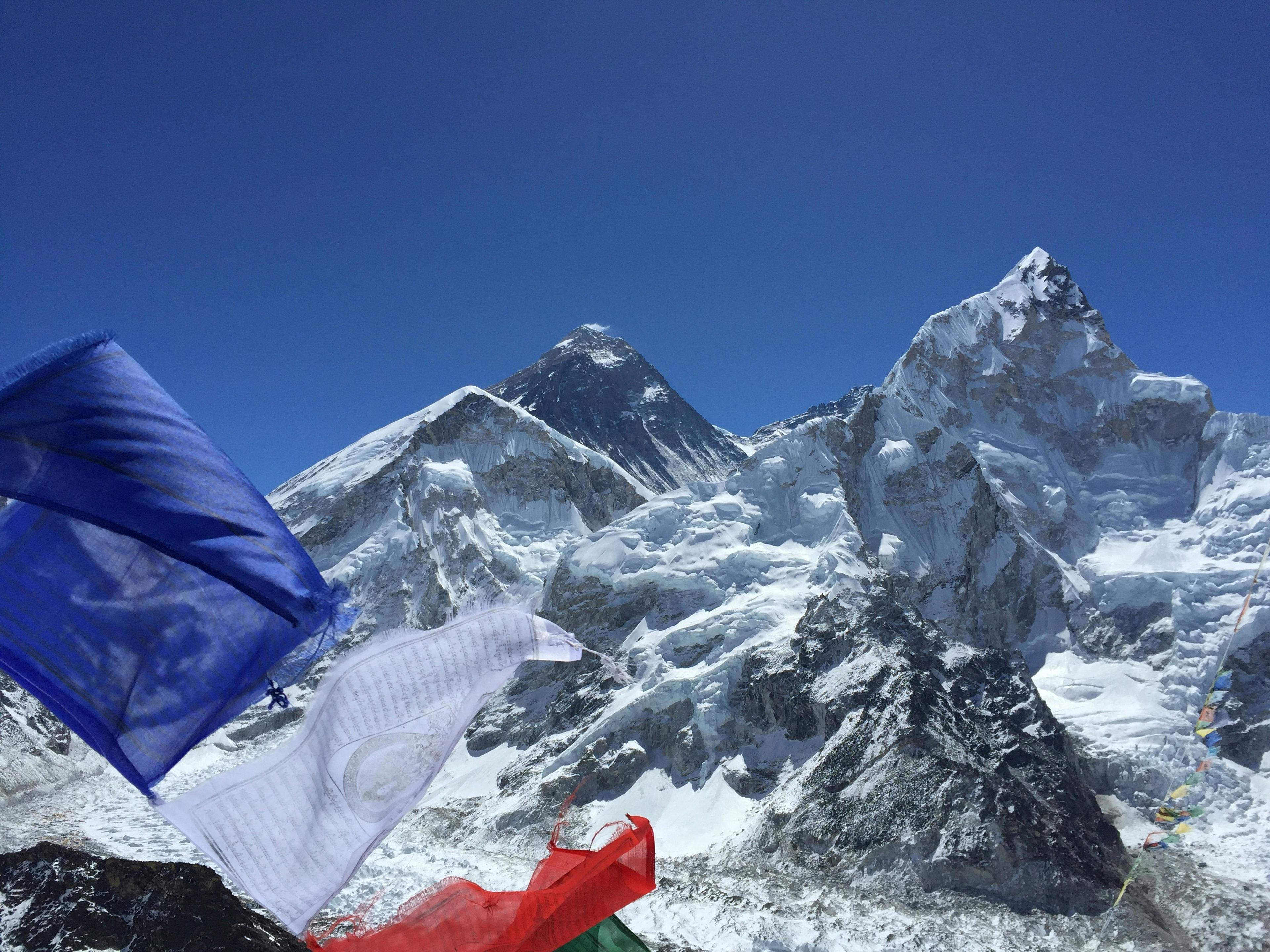
Want the Himalayan experience without the crowds and the six-figure price tag? Trekking to Everest Base Camp is still one of the most spectacular journeys on Earth and it's accessible without technical climbing skills. Compare packages on Intrepid Travel or browse guided Everest Base Camp treks on Viator.
For most people, the Base Camp trek is the sweet spot. You get the mountain, the culture, the Sherpas, the thin air, and the view. Without the Death Zone queue.
The Bigger Picture
What happened on May 21 is genuinely historic. 274 people stood on the roof of the world in a single day. That's remarkable.
But it also holds up a mirror to something the travel industry is wrestling with globally right now: overtourism. From Everest to Santorini to Machu Picchu, the places we most want to experience are being loved a little too hard.
The question isn't just "can we get there?" It's "what do we leave behind when we do?"
Everest has been climbed over 12,000 times since Hillary and Norgay made the first ascent in 1953. In 2026 alone, Nepal issued 495 permits for the mountain. The numbers keep climbing, even if the ethics of that are still very much up in the air.
Before You Go
If the Himalayas are calling and you want to start planning:
- Everest Base Camp Trek - Browse treks on Viator or GetYourGuide
- Full Everest Expedition - Himalayan Guides and Adventure Consultants are among the most respected operators
- Nepal Travel Essentials - Sort your travel insurance (seriously, don't skip this for Himalayan travel) at World Nomads
- Himalayan Alternatives - Annapurna, Langtang, Manaslu - search options on Intrepid Travel
Was this article useful? Share it with the adventure traveller in your life. And if you've been to Everest Base Camp or higher, drop your experience in the comments. We'd love to hear it.
Disclaimer: Some links in this article may be affiliate links. This means we may earn a small commission if you book through them, at no extra cost to you. We only recommend platforms and operators we'd genuinely use ourselves.